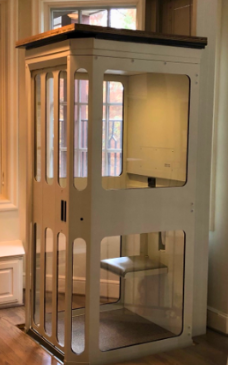
There’s a lot of confusion around what a residential elevator is. Some homeowners picture a massive commercial system. Others assume it’s only for luxury estates. And many think installation requires tearing half the house apart.
The truth is usually much simpler.
A well-planned residential elevator is designed for everyday homes. It supports comfort, mobility, and long-term living without turning the house into a construction zone.
Why Misconceptions Happen in the First Place
Elevators are easy to misunderstand because most people only encounter them in public buildings. Hotels. Office towers. Hospitals. That experience shapes expectations.
So when the topic of a home elevator comes up, homeowners often assume it must be oversized, noisy, or overly complicated.
At Staying Home, we spend a lot of time untangling those assumptions. Once people understand how residential systems actually work, the conversation shifts quickly from hesitation to possibility.
Misconception #1: “It’s Only for Large or Luxury Homes”
This one comes up constantly.
A residential elevator isn’t reserved for mansions. It’s built specifically for private homes and daily use. In many cases, it serves families who simply want to stay comfortable in a multi-level layout.
The goal isn’t extravagance. It’s practicality.
We’ve worked with homeowners in standard two-story homes who realized that installing a residential elevator early prevented much larger structural changes later.
Misconception #2: “It Requires a Massive Remodel”
Many people assume a home elevator means cutting through floors and rebuilding staircases.
That’s rarely the case.
Modern residential systems are designed to work within existing footprints whenever possible. Planning early gives even more flexibility. In new construction, the integration can be even more seamless.
The key isn’t demolition. It’s evaluation.
Misconception #3: “It’s Only for Immediate Mobility Needs”
Another common belief is that a residential elevator is only installed when mobility becomes urgent.
In reality, the best time to plan is before urgency sets in.
Waiting until stairs become unsafe often limits placement options. Early planning keeps decisions intentional instead of reactive.
Many homeowners explore a home elevator simply because they want their home to work for the next twenty years—not just the next two.
Misconception #4: “Exterior Access Isn’t an Option”
Some families assume elevator systems must be fully interior.
That’s not always true.
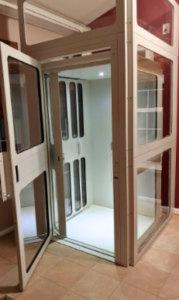
In certain layouts, an outdoor elevator can support access where interior placement is limited. Exterior placement can preserve interior square footage while still addressing elevation changes.
For homes with unique layouts or grade shifts, outdoor elevator solutions may provide flexibility that interior options cannot.
Understanding both interior and exterior possibilities expands the conversation significantly.
Misconception #5: “They’re All the Same”
Homeowners sometimes assume every elevator system functions identically.
But placement, use patterns, and long-term goals all shape the right choice.
Some families even ask about specific products, like the Outlook outdoor elevator, when researching exterior options. That’s part of the evaluation process. Not every system fits every home.
As an experienced outdoor elevator company, we help homeowners sort through those details without turning the process into a sales pitch.
Clarity matters more than pressure.
What Actually Matters When Considering a Residential Elevator
Instead of focusing on myths, it helps to focus on daily function.
- How often are stairs used?
- Which levels matter most?
- Is the goal short-term convenience or long-term living?
A residential elevator works best when it aligns with how the home is lived in—not just how it looks on paper.
When thoughtfully planned, it becomes part of the home’s routine rather than a dramatic addition.
Real Conversations We Have Every Week
Most homeowners don’t start by saying, “We need an elevator.”
They say:
- “The stairs are getting harder.”
- “We want to stay here long-term.”
- “We’re thinking ahead.”
That shift in mindset changes everything.
A residential elevator often feels overwhelming until the process is explained clearly. Once homeowners understand the footprint, integration, and long-term benefits, it stops feeling extreme and starts feeling practical.
Why Homeowners Choose Staying Home
We’ve helped families across the region plan access improvements for years. What makes the difference isn’t just the equipment. It’s the conversation.
We focus on honest evaluation. Not overbuilding. Not upselling.
If an interior system works, we’ll explain why. If exterior placement makes more sense, we’ll walk through that. The goal is to make sure any residential elevator recommendation fits the home’s structure and the family’s long-term plan.
That steady approach builds confidence.
Common Questions About Residential Elevators
Do residential elevators take up a lot of space?
Not typically. A residential elevator is designed for private home layouts. Early planning allows more flexibility in placement and integration.
Is a home elevator only necessary when mobility becomes limited?
No. Many homeowners explore a home elevator before mobility becomes urgent. Planning ahead often results in smoother installation and better long-term outcomes.
Are exterior elevator systems reliable?
Yes, when properly evaluated. Systems like an Outlook outdoor elevator are considered when layout and exposure align with exterior placement needs. Proper planning is what ensures long-term reliability.
For homeowners looking to improve access around their property, experience matters. Staying Home has helped families across the region create safer, more usable spaces. Contact us to talk through your needs and learn what mobility options may work best for your home.
Ready to get started? Contact us online, or give us a call at 877-378-4275, and we’ll send you the details.
We are a small company based in Missouri with more than 100 years of combined stairway lift design experience.

Look, we get it. Stairs can get tough. Whether you’re planning ahead or already feeling the strain, adding an elevator to your home might be easier than you think. Ours don’t need a huge remodel or fancy setup. They even run when the power goes out.
No pushy sales stuff. Just honest conversations about what might work for you.
