

Get More Info
Adding an elevator to your home can make everyday living more convenient while providing greater accessibility and independence. Whether you’re planning for aging in place, accommodating changing mobility needs, or making a multi-level home easier to navigate, understanding home elevator cost is an important first step. At Staying Home, we believe homeowners should have the information they need to make confident decisions about residential accessibility. The cost of a home elevator depends on several factors, including the type of elevator, number of floors, available space, installation requirements, and customization options.
Our American-made residential elevators are designed with efficiency, reliability, and ease of use in mind. With compact configurations, battery-powered operation, and options that can reduce the need for extensive structural modifications, Staying Home offers practical alternatives to traditional residential elevator systems. Whether you’re considering an elevator for an existing home or incorporating one into a new construction project, our team can help you explore available solutions and understand the factors that influence your investment.

What Factors Affect Home Elevator Cost?
No two homes are exactly alike, which means elevator pricing can vary significantly from one installation to another. Understanding the primary cost factors can help you plan your project and evaluate your options.
Type of Residential Elevator- Different elevator systems have different installation requirements and equipment costs. Traditional elevators may require a dedicated hoistway, pit, or machine room, while certain compact residential elevators can operate with fewer structural modifications. Staying Home offers residential elevator solutions designed to fit a variety of home layouts, including shaftless configurations that can simplify installation in suitable properties.
Number of Floors and Travel Distance- The distance your elevator needs to travel can influence equipment specifications, installation requirements, and overall project costs. A two-stop residential elevator may have different requirements than a system serving three levels. Our team can help you evaluate available configurations based on your home’s layout and accessibility needs.
Home Layout and Structural Modifications- One of the biggest considerations in residential elevator pricing is the amount of construction required. Existing homes may need floor openings, framing adjustments, or other modifications to accommodate an elevator. The scope of this work depends on the selected system and available installation space. Staying Home’s compact residential elevator designs are intended to make retrofitting more practical, potentially reducing certain construction requirements compared with traditional elevator configurations.
Electrical Requirements- Electrical preparation can also influence installation expenses. Some conventional elevator systems require specialized electrical work, while Staying Home’s battery-powered residential elevators use household electrical power for charging. Our elevators are designed to continue operating on battery power during an outage, providing an additional advantage for homeowners concerned about dependable access between floors.
Customization and Finishing Options- Available finishes, colors, configurations, and other design selections may affect the final project cost. Homeowners should consider both functionality and appearance when selecting a system that will become part of their everyday living environment.
Shaftless Home Elevator Cost vs. Traditional Elavators
When comparing residential elevator prices, it’s important to look beyond the equipment itself. Installation complexity and required construction can have a substantial impact on the overall investment. Traditional residential elevators often require a dedicated shaft, specialized structural preparation, and additional construction work. Shaftless home elevators are designed to offer a more compact alternative for suitable residential layouts.
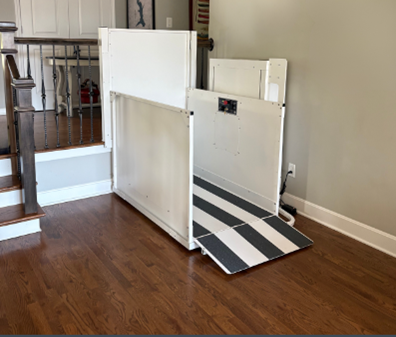
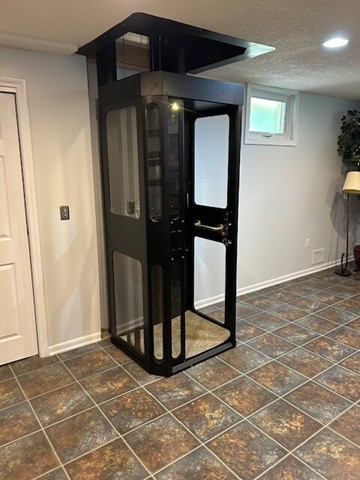
Staying Home’s residential elevator systems feature space-conscious designs that can be installed against appropriate walls, including certain non-load-bearing walls, without requiring a traditional elevator pit or separate machine room. For homeowners renovating an existing property, these features may simplify project planning and reduce some of the work associated with conventional elevator installation. However, the total shaftless home elevator cost still depends on site conditions, configuration, local requirements, and installation labor. The best way to compare options is to request a project-specific quote based on your home.


What Is Included in a Home Elevator Installation Estimate?
A comprehensive residential elevator estimate should help you understand the equipment and work required to complete your project. Depending on the installation arrangement, pricing may include elevator equipment, delivery, site preparation, structural modifications, electrical preparation, installation labor, permits, inspections, and selected finishing options.
Not every expense is necessarily included in a manufacturer’s equipment quote. Homeowners should clarify which services are provided by the elevator supplier, installer, and any additional contractors involved. At Staying Home, we can help you review available elevator configurations and connect with appropriate resources to understand the requirements of your project. Our goal is to help you make an informed decision about the equipment and installation considerations before moving forward.
Is a Home Elevator Worth the Investment?
For many homeowners, installing a residential elevator is about much more than convenience. It’s an investment in maintaining access to the home they enjoy. As mobility needs change, stairs can make certain rooms and living spaces more difficult to use. A residential elevator can provide an alternative way to move between floors and may help homeowners continue living comfortably in a multi-level property.
Support Aging in Place
A home elevator can help reduce the need to rely on stairs and make different levels of the home more accessible.
Plan for Future Accessibility Needs
Installing an elevator before mobility challenges become more significant can be part of a long-term home accessibility plan.
Improve Everyday Convenience
Moving between floors can become easier for homeowners who experience fatigue, limited mobility, or difficulty navigating stairs.
Make Better Use of Your Home
Rather than limiting daily activities to one level, an appropriately selected elevator can help homeowners maintain access to more of their living space.
Affordable Home Elevator Solutions from Staying Home
At Staying Home, we focus on practical residential accessibility products designed to support independence without unnecessary complexity. Our residential elevators are proudly made in the USA and engineered with features intended to make home installation and everyday operation more convenient.
Depending on the selected configuration, advantages include compact designs, minimal structural requirements, battery-powered travel, and flexible installation options. We understand that affordability means more than choosing the lowest equipment price. Homeowners also need to consider installation requirements, product reliability, maintenance, and long-term usability. Our team can help you evaluate these considerations and explore residential elevator options suited to your home and budget.
Frequently Asked Questions About Home Elevator Cost
- How much does a home elevator cost?
Home elevator cost varies depending on the type of elevator, travel distance, home layout, construction requirements, and installation arrangements. A personalized estimate provides the most accurate pricing for your property.
- Are shaftless home elevators less expensive to install?
Shaftless elevators may reduce certain construction requirements compared with traditional hoistway systems. Actual savings depend on the home and selected elevator configuration.
- Do home elevators increase property value?
A residential elevator may improve a property’s accessibility and appeal to certain buyers, although any effect on resale value depends on the home and local market.
- Do you have a showroom?
You are welcome to visit our tech center showroom located at 2501 Anaconda Road, Harrisonville, MO 64701. To schedule a visit, please e-mail info@stayinghome.com. Alternatively, we can connect you with one of our dealers to view SHC equipment at locations and showrooms nationwide.
- Can I get a home elevator quote before starting construction
Yes. Discussing your home’s layout and project goals early can help identify suitable equipment and potential installation requirements.
Request Your Home Elevator Cost Estimate
Understanding your options is the first step toward making your home more accessible. Staying Home offers American-made residential elevator solutions designed to provide dependable operation, compact installation options, and greater independence for homeowners. Whether you’re planning a new project or researching the cost of a home elevator, our team is ready to help you explore your options.