When people hear “accessibility upgrade,” they often picture a full remodel. Walls moved. Staircases replaced. Ramps stretching across the yard. It sounds expensive. Disruptive. Complicated.
But in many homes, improving access doesn’t require tearing anything apart. A vertical platform lift can solve elevation challenges without reshaping the entire structure. And that difference matters more than most homeowners expect.
Why Remodeling Isn’t Always the Right First Step
When stairs become difficult, the instinct is often to think big. Bigger changes must mean better solutions, right?
Not necessarily.
At Staying Home, we’ve seen plenty of homes where the layout itself works fine. The issue isn’t the design. It’s a small elevation changes three steps at the entry, a short rise to a split-level living room, or a drop down to a garage.
Before remodeling anything, we look at what’s creating the barrier.
Often, it’s smaller than people think.
What a Vertical Platform Lift Actually Changes
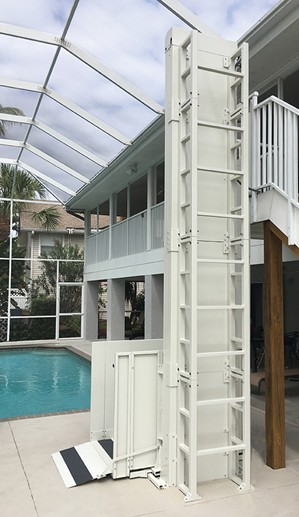
A vertical platform lift moves straight up and down on a stable platform. It doesn’t rely on a staircase rail. It doesn’t require long ramp construction. It addresses the elevation difference directly.
That’s why it’s often a better fit when the goal is access—not redesign.
A properly placed vertical platform lift can sit beside existing steps or at a porch landing without altering the core structure of the home. Instead of reworking walls or floors, it works with them.
When an Outdoor Lift Makes Sense
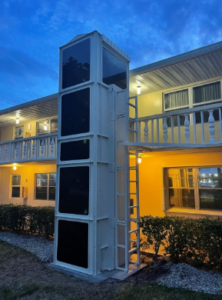
Many elevation issues happen at entry points. Front steps. Back patios. Garage access. In those cases, an outdoor lift can solve the problem without affecting interior space at all.
Compared to building a ramp—which can require significant yard depth—an outdoor lift keeps the footprint compact. It also preserves the home’s exterior appearance more effectively in many layouts.
Exterior planning is often simpler than homeowners expect, especially when evaluated early.
How This Differs From Other Systems
Some homeowners initially explore a wheelchair lift when researching vertical solutions. In many residential conversations, the terms overlap. What matters more is how the system is designed and where it will be installed.
Others ask whether a dumbwaiter could handle smaller level changes. That’s a different category entirely. A dumbwaiter is built to transport items. A lift designed for people must prioritize stability, controlled movement, and daily reliability.
Those differences aren’t technical details. They’re safety decisions.
Our Planning Approach
When we evaluate a property, we start with movement patterns.
Where do you enter the home most often?
Is the elevation change inside or outside?
Is the need temporary—or long-term?
These questions shape the recommendation.
A vertical platform lift is most effective when placed where it removes friction from daily routines. Not where it simply fits.
We also consider how future mobility needs might evolve. Choosing a system that works today and later avoids repeated upgrades.
Real Situations We See Often
Split-level homes are a common example. Three or four steps between living areas can feel insignificant—until they aren’t.
In waterfront properties, elevation shifts are often more dramatic. We’ve worked with homeowners who installed a lake home lift for dock access while using a platform lift at the main entry.
Layered access solutions aren’t unusual. They just need to be intentional.
In many cases, a vertical platform lift allows homeowners to preserve the character of the home while still improving functionality.
Why Avoiding Major Remodeling Matters
Remodeling takes time. It disrupts routines. It can require permits, structural alterations, and extended construction periods.
When the core layout works, tearing it apart may not make sense.
A vertical platform lift provides a focused solution. It solves the elevation challenge directly without requiring the homeowner to sacrifice square footage or redesign the flow of the house.
And in homes where exterior access is the primary issue, an outdoor lift can eliminate the barrier without touching interior walls at all.
Sometimes the simplest solution is also the most sustainable one.
Long-Term Accessibility Without Overbuilding
One of the biggest misconceptions about accessibility planning is that it must be dramatic to be effective.
In reality, small vertical changes create the most frequent frustration. Addressing those directly often delivers the greatest improvement.
A well-placed vertical platform lift restores independence quietly. It doesn’t call attention to itself. It just works.
That subtlety is often what homeowners appreciate most.
Why Homeowners Reach Out to Staying Home
Families usually call us when they want clarity—not construction chaos.
We’ve helped homeowners across the region evaluate elevation challenges without defaulting to full remodels. The goal isn’t to overbuild. It’s to restore easy movement through the home.
Sometimes that means a structural change. Often, it doesn’t.
Common Questions About Vertical Platform Lifts
Does a vertical platform lift require structural remodeling?
In many cases, no. A vertical platform lift can be installed alongside existing elevation changes without altering major walls or staircases. Placement and layout determine how invasive the project becomes.
Is an outdoor lift difficult to maintain?
An outdoor lift designed for residential use can operate reliably when properly installed and positioned. Evaluating exposure and drainage during planning helps ensure consistent performance.
How early should accessibility upgrades be considered?
Earlier than most people think. Addressing small elevation barriers before they become urgent allows more flexibility in choosing the right solution.
For homeowners looking to improve access around their property, experience matters. Staying Home has helped families across the region create safer, more usable spaces. Contact us to talk through your needs and learn what mobility options may work best for your home.
Ready to get started? Contact us online, or give us a call at 877-378-4275, and we’ll send you the details.
We are a small company based in Missouri with more than 100 years of combined stairway lift design experience.

Look, we get it. Stairs can get tough. Whether you’re planning ahead or already feeling the strain, adding an elevator to your home might be easier than you think. Ours don’t need a huge remodel or fancy setup. They even run when the power goes out.
No pushy sales stuff. Just honest conversations about what might work for you.
