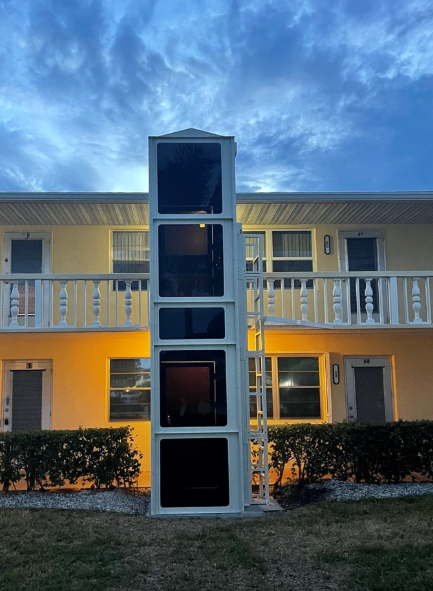
Front steps seem harmless at first. Two or three risers. Maybe a short set from the garage. But over time, those small elevation changes can become the biggest daily obstacle in the house. A vertical platform lift offers a practical way to solve that problem without redesigning the entire entryway. When planned thoughtfully, it restores access while preserving how the home looks and feels.
Why Entryway Elevation Becomes a Bigger Issue Than Expected
Most mobility conversations start inside the home. Bedrooms upstairs. Laundry downstairs. But in reality, the front door is often the first barrier.
Uneven grading. Split-level entries. Raised porches. All of these are common. And while they may not feel urgent at first, they become more noticeable when balance, endurance, or recovery from injury enters the picture.
At Staying Home, we’ve seen this pattern repeatedly. Families don’t call because they want something dramatic. They call because getting in and out of the house has slowly become inconvenient—or stressful.
Planning early changes everything.
Understanding How a Vertical Platform Lift Works at an Entryway
A vertical platform lift moves straight up and down on a stable platform. There’s no rail along the stairs. No long ramp stretching across the yard. It creates a direct vertical path from ground level to the entry point.
That’s why it works especially well at doorways and short elevation changes. It solves the problem without taking over the space.
Some homeowners initially compare this option to a wheelchair lift. The difference is subtle but important. While both move people vertically, a platform lift is designed specifically for residential daily use and outdoor conditions when needed.
When an Outdoor Lift Makes the Most Sense
Entryway access is often exposed to weather. That changes the conversation.
In many homes, an outdoor lift provides a cleaner solution than building a long ramp or reworking the grade of the yard. Ramps can require significant space. They also change the look of the property more than homeowners expect.
A well-placed outdoor lift stays compact. It does its job quietly. And it allows the existing structure to remain intact.
Our Approach to Evaluating Entryway Challenges
We don’t start with equipment. We start with the house.
How steep is the grade?
Is the entry covered?
Does the garage create a secondary elevation point?
Will this be used daily or occasionally?
Those details matter.
When we recommend a vertical platform lift, it’s because the layout supports it—not because it’s the most visible solution. We look at traffic flow and long-term use. We also think ahead. Will mobility needs increase? Will multiple people rely on it?
Planning for future use often makes the decision clearer.
Why a Vertical Platform Lift Often Beats a Ramp
Ramps work. But they need length. And length requires space.
On properties with limited yard depth or tight side entries, a ramp may not be practical. It can dominate the front of the home. It may also require ongoing maintenance, especially in regions with seasonal weather.
A vertical platform lift solves the same elevation problem vertically instead of horizontally. That difference alone often preserves both aesthetics and functionality.
Real-World Situations We See
Split-level homes are a common example. Even three or four steps at the garage entrance can become frustrating over time.
In waterfront properties, elevation changes are even more pronounced. We’ve seen homeowners explore a lake home lift for dock access while using a platform lift at the main entry. When property grades vary, layered solutions sometimes make sense.
And occasionally, homeowners ask about systems like a dumbwaiter for transporting items. We explain the distinction clearly. A dumbwaiter moves objects. A lift designed for people must prioritize stability, safety, and daily reliability.
The difference matters.
Long-Term Benefits of Getting It Right the First Time
Choosing the right solution isn’t just about convenience today. It’s about preserving independence.
A thoughtfully placed vertical platform lift reduces strain at the entry point. It eliminates hesitation when leaving the house. It restores confidence.
When exterior changes are part of the discussion, we also look at broader outdoor lift planning so that future needs don’t require another redesign.
Solving entry access once—and solving it well—tends to prevent layered fixes later.
Why Homeowners Choose Staying Home
Most families who reach out to us are not looking for something flashy. They want the front door to feel easy again.
We’ve helped homeowners across the region evaluate entry challenges in real residential layouts. That means working with covered porches, uneven driveways, seasonal exposure, and tight lot lines.
The goal is simple: make the home work the way it used to.
Common Questions About Vertical Platform Lifts
When is a vertical platform lift better than a ramp?
A vertical platform lift often makes more sense when yard space is limited or when preserving the home’s exterior appearance is important. It provides a direct vertical path rather than requiring a long horizontal structure.
Is an outdoor lift reliable in changing weather?
Yes, when designed for exterior use. An outdoor lift built for residential conditions can handle exposure while maintaining steady operation. Proper placement and planning are key.
How early should homeowners address entryway access?
Earlier than most people think. Entry challenges tend to appear gradually. Planning before urgency sets in allows more flexibility in placement and design.
Final Thoughts
For homeowners looking to improve access around their property, experience matters. Staying Home has helped families across the region create safer, more usable spaces. Contact us to talk through your needs and learn what mobility options may work best for your home.
Ready to get started? Contact us online, or give us a call at 877-378-4275, and we’ll send you the details.
We are a small company based in Missouri with more than 100 years of combined stairway lift design experience.

Look, we get it. Stairs can get tough. Whether you’re planning ahead or already feeling the strain, adding an elevator to your home might be easier than you think. Ours don’t need a huge remodel or fancy setup. They even run when the power goes out.
No pushy sales stuff. Just honest conversations about what might work for you.
