Multi-level homes are great — until they’re not. Stairs feel manageable for years. Then gradually, they don’t. That’s usually when the question comes up: Is a home elevator actually the right solution?
The answer isn’t automatic. It depends on how the home is used, how long you plan to stay, and what “easy living” really means to you.
Why Multi-Level Living Changes Over Time
When people buy a two-story or split-level home, stairs rarely factor into the decision. It’s about layout. Natural light. The kitchen. The view. Years later, the conversation shifts.
Maybe it’s a knee that doesn’t love mornings anymore. Maybe it’s carrying laundry upstairs. Maybe it’s just planning so the house keeps working long-term.
At Staying Home, we’ve had conversations with families at every stage. Some are reacting to a change. Others are thinking ten years out. The timing affects the options.
What a Home Elevator Actually Changes
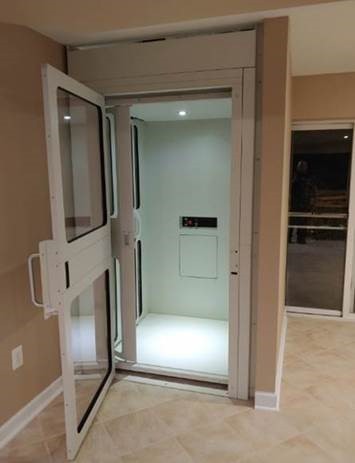
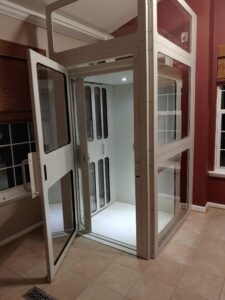
A home elevator creates a separate path between levels. It doesn’t attach to the staircase. It doesn’t depend on it. It simply allows you to bypass it. That difference matters more than most homeowners expect.
When thoughtfully integrated, a home elevator becomes part of the daily routine. Groceries move easily. Guests navigate comfortably. Upper floors stay usable. The house continues to function the way it always has — just with less strain.
Some homeowners use the phrase residential elevator when researching options. In practice, both refer to systems designed specifically for private homes, not commercial buildings.
When a Residential Elevator Makes More Sense Than Smaller Fixes
There are smaller access solutions available. And sometimes they work. But in homes where multiple floors are used daily, a residential elevator often provides a more complete answer. It supports full-floor access instead of partial mobility support.
Planning ahead is key. When stairs are still manageable, placement options are broader. Waiting until mobility becomes urgent can limit flexibility. In many cases, installing a residential elevator early avoids larger structural changes later.
It’s Not Just About Interior Space
Some homeowners assume the only way to install a system is inside the house. That’s not always true.
In certain layouts, an outdoor elevator may be the better fit. Exterior placement can preserve interior square footage while still solving the vertical challenge.
We often review outdoor elevator solutions when interior layouts feel tight or when grade changes at entry points complicate access.
As an experienced outdoor elevator company, we evaluate exposure, structure, and traffic patterns carefully before recommending exterior placement.
Occasionally, families ask about specific systems like the Outlook outdoor elevator, particularly when aesthetics and compact design are priorities. The important part isn’t the product name. It’s whether the property supports it structurally and practically.
How We Help Homeowners Decide
We don’t begin with equipment specs. We begin with the house. Which floors are used most? Is the basement finished? Is this a long-term home? Will guests rely on the system? Is the primary concern convenience or mobility?
Those answers shape the recommendation. Sometimes a home elevator is clearly the right long-term solution. Other times, it’s part of a broader phased plan. The decision becomes clearer when viewed through daily life, not just square footage.
Real Scenarios We See Often
In open-concept homes, integrating a home elevator along an existing wall often feels natural. It doesn’t interrupt the main living area. It simply adds another vertical path. In split-level homes, stacking between garage storage and upper floors sometimes works surprisingly well.
In waterfront properties, interior access may be paired with separate exterior planning to manage dock or deck elevation shifts. There isn’t one template. That’s why layout review matters more than assumption.
Long-Term Living Changes the Equation
A house that works today may not work the same way five or ten years from now. When homeowners evaluate a home elevator, they’re often thinking beyond convenience. They’re thinking about independence. About not relocating. About keeping the home usable in every season of life.
That perspective reframes the space conversation. It’s not about losing square footage. It’s about preserving function.
Why Homeowners Reach Out to Staying Home
Most families contact us with uncertainty, not certainty. They’re not asking for a specific model. They’re asking whether their house can continue to support how they want to live.
We’ve helped homeowners across Missouri evaluate multi-level layouts without overbuilding or overcomplicating them. With more than 100 years of combined stairway lift design experience, our focus stays on fit — not flash.
The goal is simple: make the home work for the long term.
Common Questions About Home Elevators
Does a home elevator require major remodeling?
Not always. A home elevator requires structural planning, but when evaluated early, it can often be integrated without drastic changes to the layout.
Is a residential elevator only for mobility limitations?
No. Many homeowners install a residential elevator as part of long-term living planning, even before mobility becomes urgent.
Can exterior placement reduce interior space impact?
Yes. In some cases, exterior installation may preserve interior square footage. Reviewing both interior and exterior options early provides the most flexibility.
Ready to get started? Contact us online, or give us a call at 877-378-4275, and we’ll send you the details.
We are a small company based in Missouri with more than 100 years of combined stairway lift design experience.

Look, we get it. Stairs can get tough. Whether you’re planning ahead or already feeling the strain, adding an elevator to your home might be easier than you think. Ours don’t need a huge remodel or fancy setup. They even run when the power goes out.
No pushy sales stuff. Just honest conversations about what might work for you.
