Stairs are fine… until they aren’t. That’s usually how the conversation starts. One day everything feels normal. Then slowly, daily trips up and down begin to feel like work. When homeowners start weighing options, the choice often comes down to a residential elevator or a stairlift. Both solve a problem. They just solve it in very different ways.
Why This Decision Deserves More Thought Than Most People Give It
Most families don’t plan for mobility changes when they buy a multi-level home. They plan for space. Layout. Maybe a view. But not long-term access.
Over time, though, the staircase becomes something you think about more often. Maybe it’s fatigue. Maybe it’s a knee. Maybe it’s just planning ahead. Whatever the reason, the earlier you think through your options, the more flexibility you have.
At Staying Home, we’ve had these conversations with families at all stages. Some are preparing. Others are reacting. The difference in outcome usually comes down to timing.
What a Residential Elevator Really Offers
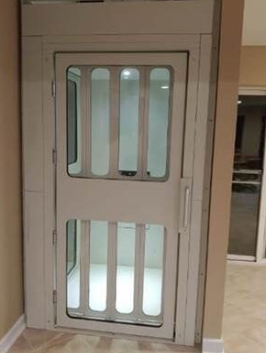
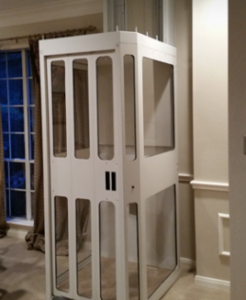
A residential elevator is exactly what it sounds like — a permanent vertical system built into the home. It creates a separate path between floors. You’re not using the staircase at all. You’re bypassing it.
Many homeowners also search using the phrase home elevator, and in practical terms, they mean the same idea: a system that moves you floor to floor in a controlled, enclosed way.
The key difference between this and a stairlift isn’t just mechanics. It’s independence. A well-placed residential elevator becomes part of the home’s flow. It doesn’t interrupt the staircase. It doesn’t rely on it.
Where Stairlifts Make Sense — And Where They Don’t
A stairlift rides along the stairs on a rail. It’s attached directly to the staircase. That means the stairs remain the main structure being used.
For some homes, that’s fine. Especially if space is limited or if the staircase design allows easy installation. It can feel like a simpler solution.
But here’s what homeowners sometimes don’t realize: stairlifts still tie access to the stairs themselves. If someone else needs to pass while the lift is in use, space can feel tight. And for long-term planning, that dependency on the staircase matters.
That’s where a residential elevator often starts to look more practical, especially in homes where access is part of a broader aging-in-place plan.
How We Help Homeowners Think Through It
When we sit down with families, the first thing we look at isn’t the equipment. It’s the house.
How do you move through it now?
Which floors matter most?
Are you planning for just yourself, or for future guests or family?
Those questions change the answer.
In many multi-story homes, a residential elevator allows movement without altering how the staircase functions for everyone else. That separation can make daily life feel more natural.
Long-Term Use Changes the Equation
A lot of decisions look different when you think five or ten years ahead.
A home elevator supports full-floor access. Groceries. Laundry. Guests. It’s not just about mobility — it’s about keeping the house working the way it always has.
Stairlifts often serve one person at a time. That may be enough. But for households planning for long-term independence, a residential elevator can provide a broader solution.
It also tends to integrate more cleanly in open-concept homes where visual flow matters.
Don’t Forget About Exterior Access
Sometimes the biggest challenge isn’t inside. It’s getting in the front door.
That’s where an outdoor elevator may enter the conversation. Homes with elevation changes at entry points can benefit from looking at exterior access separately from interior mobility.
We frequently discuss outdoor elevator solutions when the grade around the home limits traditional ramps or structural adjustments. As an experienced outdoor elevator company, we help homeowners look at both inside and outside access together rather than as two disconnected decisions.
Some properties also prompt questions about specific systems, such as the Outlook outdoor elevator, particularly when exterior exposure and layout are part of the equation.
Real Situations We See
In open-layout homes with two or three main levels, a residential elevator often fits naturally into long-term planning. It becomes part of the architecture rather than an attachment to it.
In tighter homes where stair geometry allows a simple rail system, stairlifts can work — especially when needs are more immediate.
There isn’t a universal answer. That’s why the conversation matters more than the equipment brochure.
Why Homeowners Call Staying Home
Families usually reach out when they’re trying to make the right decision — not just the fastest one.
We’ve helped homeowners across the region think through how different systems affect daily life. The goal isn’t to push one solution. It’s to make sure the house continues to support how you want to live in it.
That clarity tends to make the decision easier.
Common Questions About Residential Elevators and Stairlifts
Is a residential elevator overkill for most homes?
Not necessarily. A residential elevator can make sense when homeowners want full-floor access without relying on the staircase long-term. It depends more on planning goals than square footage.
Does a home elevator require major remodeling?
A home elevator does require structural planning. But when incorporated thoughtfully, it can be integrated without disrupting the entire home layout.
Can exterior access be addressed separately?
Yes. In some cases, homeowners add an exterior solution later. Planning early makes it easier to decide whether interior and exterior systems should be coordinated.
Final Thoughts
For homeowners looking to improve access around their property, experience matters. Staying Home has helped families across the region create safer, more usable spaces. Contact us to talk through your needs and learn what mobility options may work best for your home.
Ready to get started? Contact us online, or give us a call at 877-378-4275, and we’ll send you the details.
We are a small company based in Missouri with more than 100 years of combined stairway lift design experience.

Look, we get it. Stairs can get tough. Whether you’re planning ahead or already feeling the strain, adding an elevator to your home might be easier than you think. Ours don’t need a huge remodel or fancy setup. They even run when the power goes out.
No pushy sales stuff. Just honest conversations about what might work for you.
