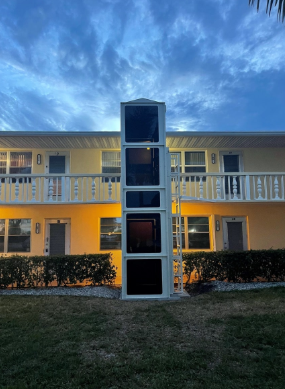
Planning for mobility at home often begins early. In fact, it can happen much sooner than many homeowners expect. A vertical platform lift offers a reliable way to move between levels. This means residents can avoid the strain of using stairs.
When planned with long-term use in mind, this option supports steady access. It also allows the home to remain comfortable and functional as needs change over time.
Why Residential Mobility Planning Matters
Residential mobility planning focuses on how people move through their homes each day. Small changes in balance, strength, or endurance can gradually make stairs harder to manage. Addressing access early helps homeowners stay in control of their space instead of reacting to challenges later.
At Staying Home, we work with families who want clarity before access becomes a concern. Our experience shows that understanding mobility options early leads to stronger long-term decisions and fewer compromises once changes are needed.
Understanding a Vertical Platform Lift
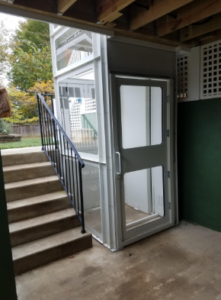
A vertical platform lift is designed to raise and lower a person between levels using a flat platform. It is often chosen when ramps feel too long or stairs no longer feel practical. These systems work well for both interior and exterior access points when space or layout limits other options.
Some homeowners compare this option to a wheelchair lift or a dumbwaiter during early research. The key distinction is that platform lifts are designed for people, with built-in safety features and dependable daily use in mind.
Our Approach to Residential Lift Planning
Our planning process begins with how the home functions today and how it may function years from now. We review entry points, level changes, and traffic patterns throughout the property. This helps us suggest solutions that feel natural rather than forced.
Every vertical platform lift we recommend is reviewed for safety, durability, and long-term reliability. We follow industry standards and focus on systems homeowners can rely on year after year without added stress.
.
.
Benefits of Professional Lift Selection
Choosing the right mobility system reduces daily strain and supports safer movement throughout the home. Professional guidance also helps prevent placement issues and access limitations later. These benefits become more important when planning for long-term use.
Homeowners often ask how this compares to other options like a home elevator. In many situations, platform lifts offer a smaller footprint while still providing consistent and comfortable access between levels.
Real-World Residential Uses We See
Many families install access solutions at entryways or between primary living levels. In these cases, a vertical platform lift allows steady movement without changing how the home looks or feels. The goal is improved access without disruption.
For exterior needs, we might suggest an outdoor lift for properties with grade changes. In waterfront settings, a lake home lift can help homeowners move more comfortably between docks, decks, and living areas.
Why Homeowners Choose Staying Home
Staying Home has helped homeowners across the region plan access improvements with confidence. Our team understands residential layouts and the importance of thinking beyond short-term needs. We focus on guidance that fits real homes and real routines.
Clients often tell us they value clear answers and realistic expectations. That trust comes from years of experience helping families plan mobility improvements that feel practical, supported, and well considered.
Common Questions About Platform Lifts
When does a platform lift make more sense than other vertical systems?
A platform lift is often the right choice when space is limited or when a simple vertical path works better than longer systems. It can also be a good alternative when systems like a dumbwaiter are not appropriate for moving people safely.
Where do platform lifts typically work best in a home?
Platform lifts are commonly used at entryways, short level changes, or between main living areas. Early planning helps determine placement that supports daily use without interfering with how the home functions.
How early should homeowners start planning for mobility access?
Planning early offers more flexibility and fewer structural limits. Homeowners who plan ahead often have more choices and smoother outcomes when access needs evolve.
For homeowners looking to improve access around their property, experience matters. Staying Home has helped families across the region create safer, more usable spaces. Contact us to talk about your needs and learn what mobility options may work best for your home.
Look, we get it. Stairs can get tough. Whether you’re planning ahead or already feeling the strain, adding an elevator to your home might be easier than you think. Ours don’t need a huge remodel or fancy setup.
They even run when the power goes out.
.
.
We’re a small company based in Missouri, and we’ve helped a lot of folks stay comfortable in the homes they love. No pushy sales stuff. Just honest conversations about what might work for you.
So, if you’re curious, give us a call at 877-378-4275, or click here, and we’ll send you the details.
