For years, the steps weren’t a problem. Two at the garage. Three at the front door. Maybe a short drop into the living room. Then one day, they were.
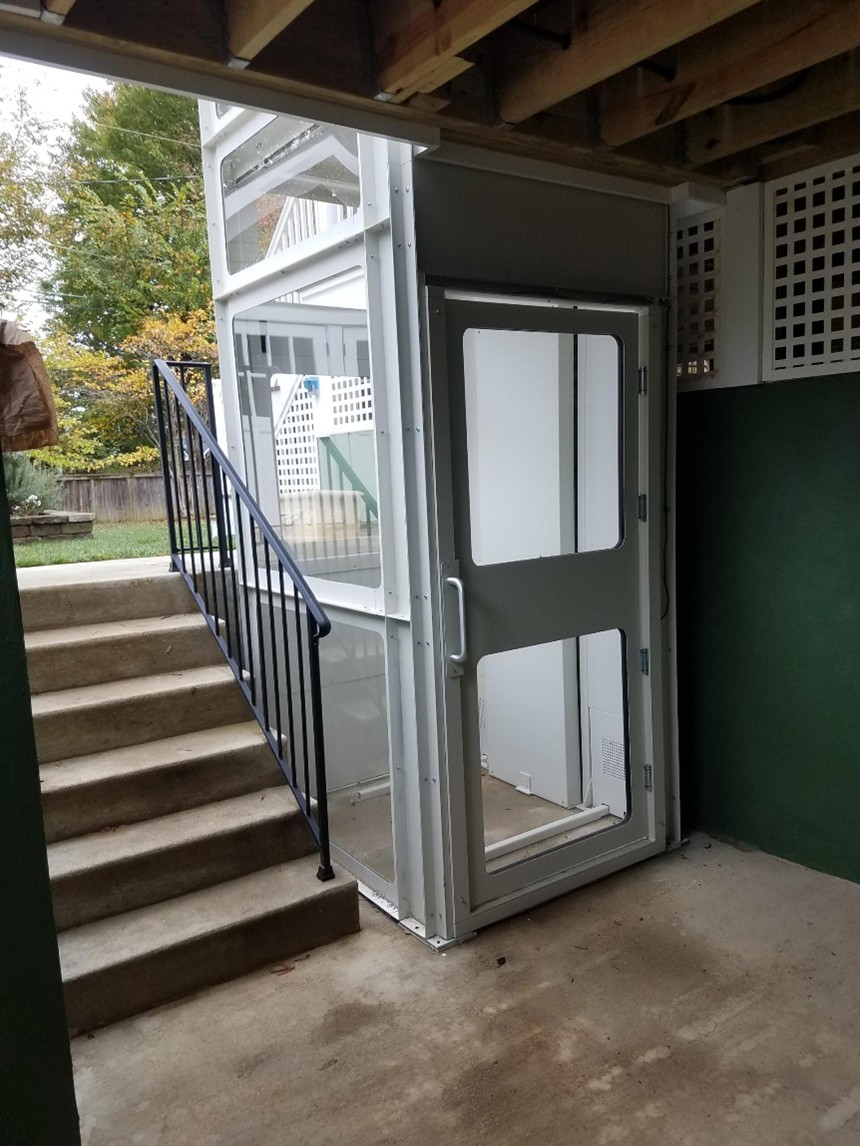
That’s when homeowners start looking for something steady. Not dramatic. Not overbuilt. Just reliable. For many families, a vertical platform lift becomes the solution that feels both practical and permanent.
Safety Isn’t Always About Major Changes
When people think about improving safety, they often assume it requires remodeling. Walls moved. Ramps added. Layouts redesigned. But sometimes the issue isn’t the house. It’s a small elevation change that interrupts daily flow.
At Staying Home, we’ve worked with homeowners who didn’t want to redesign their space. They just wanted safe, predictable access again. In many of those situations, a vertical platform lift solved the problem without turning the home into a construction project.
What Makes a Vertical Platform Lift Feel Safer
A vertical platform lift moves straight up and down on a stable platform. There’s no navigating a staircase. No balancing while sitting on a rail. No long ramp requiring careful maneuvering. It creates a controlled path between two levels. That control is what restores confidence.
Some homeowners initially research a wheelchair lift when exploring options. In residential settings, the terms are often used interchangeably. What matters more than the label is how the system is installed and how it supports daily use. When placed thoughtfully, the lift becomes part of the routine. Not an obstacle.
Why It Often Feels More Stable Than Other Options
Stair-based systems rely on the staircase itself. That works in some homes. But if stairs feel unstable or narrow, attaching equipment to them may not provide the same peace of mind.
A vertical platform lift stands independently of the staircase. It doesn’t change how others use the stairs. It doesn’t narrow the passage. It creates a separate route entirely. That separation can feel safer for households where multiple people move through the space.
For some families, a wheelchair lift installed at an entryway also improves confidence when navigating exterior grade changes.
Entryways Are Usually the First Barrier
Most safety conversations focus on interior stairs. But often, the front door is where hesitation starts.
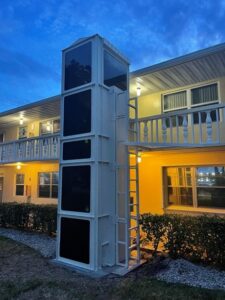
Raised porches. Brick steps. Garage transitions. In those situations, an outdoor lift can provide direct access without extending a long ramp across the yard.
Compared to horizontal structures, vertical systems stay compact. They preserve the look of the home. And they reduce the risk of navigating extended incline surfaces.
In certain layouts, we even evaluate whether an outdoor elevator placement makes more structural sense when exterior access needs are significant. The solution depends on the property.
How It Differs From Systems Built for Items
Occasionally, homeowners ask whether a dumbwaiter could help with small elevation changes. It’s a reasonable question. But the answer is simple.
A dumbwaiter is designed for transporting objects. It does not meet the safety standards required to transport a person. Stability, guarding, and operational controls are completely different. When safety is the priority, the system must be built for people — not packages.
Real Situations Where Vertical Access Makes a Difference
Split-level homes are common. Three or four steps between spaces may not seem significant until they are used dozens of times a day.
We’ve also worked with waterfront homeowners who installed a lake home lift for dock access while using a platform lift at the main entry.
Layered access planning isn’t unusual. It just needs to be intentional. In many of these homes, a vertical platform lift allowed the layout to remain intact while improving daily safety.
Planning for Long-Term Confidence
A lot of safety decisions are reactive. Someone falls. Someone strains a knee. Then changes happen quickly. But when families plan ahead, placement options expand.
A vertical platform lift installed early often blends into the home more naturally. It doesn’t feel like an emergency upgrade. It feels integrated. That shift changes how the home feels overall.
Why Homeowners Reach Out to Staying Home
Most families who contact us aren’t asking for something elaborate. They want the house to feel easy again.
We’ve helped homeowners across Missouri evaluate elevation challenges in real residential settings — covered porches, uneven driveways, tight side yards, and split entries. With more than 100 years of combined stairway lift design experience, our focus stays on stability and fit. The goal isn’t to overbuild. It’s to restore confidence.
Common Questions About Vertical Platform Lifts
Is a vertical platform lift safer than a ramp?
A vertical platform lift often feels safer when yard space is limited or when maintaining a shorter travel path reduces navigation strain. The best solution depends on layout and daily use.
Is a wheelchair lift the same as a platform lift?
In residential conversations, a wheelchair lift often refers to a vertical platform system. The important factor is whether the lift is designed for transporting people safely and reliably.
Can exterior lifts handle regular outdoor exposure?
Yes. When properly selected and installed, exterior systems can operate reliably. Placement and drainage planning are key to long-term performance.
Ready to get started? Contact us online, or give us a call at 877-378-4275, and we’ll send you the details.
We are a small company based in Missouri with more than 100 years of combined stairway lift design experience.

Look, we get it. Stairs can get tough. Whether you’re planning ahead or already feeling the strain, adding an elevator to your home might be easier than you think. Ours don’t need a huge remodel or fancy setup. They even run when the power goes out.
No pushy sales stuff. Just honest conversations about what might
