Every home is different, and so are the people who live there. Choosing a wheelchair lift isn’t just about adding accessibility. It’s about finding a solution that fits your home, supports your daily routine, and helps you stay comfortable and independent for years to come.
The Best Decision Usually Starts With a Few Simple Questions
Most homeowners don’t begin by asking about lift specifications. They start with something much more personal. “Will this work for my house?” It’s a fair question because every property presents its own challenges. A front porch may sit several feet above the driveway. A garage entrance might include a small flight of stairs. Some families simply want to make sure everyone can enter and leave the home safely without depending on someone else for help.
We’ve had conversations with homeowners in all of those situations. Every home has its own layout, so the best solution usually looks a little different. Before anyone starts comparing products, it’s worth understanding what the home actually needs.
Choosing a Lift Involves More Than Height
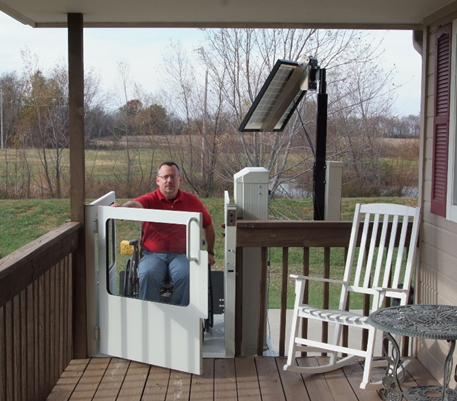
People sometimes assume every lift works the same way. In reality, the right choice depends on several factors, including where the lift will be installed, how much space is available, and how it will be used from day to day. A wheelchair lift is designed to provide safe, dependable access between different levels while allowing someone to remain comfortably in their wheelchair throughout the trip.
Some families also explore products like a dumbwaiter to move groceries, laundry, or other household items between floors. While it serves a different purpose, it can make everyday tasks much easier alongside other accessibility improvements. The important thing is choosing equipment that supports the way your household actually functions.
We Focus on the Home Before the Lift
Every installation begins with learning about the home itself. We look at entry points, available space, and the areas you use most often. Just as importantly, we listen. Some homeowners are thinking about today’s mobility needs. Others want to make changes before they become necessary.
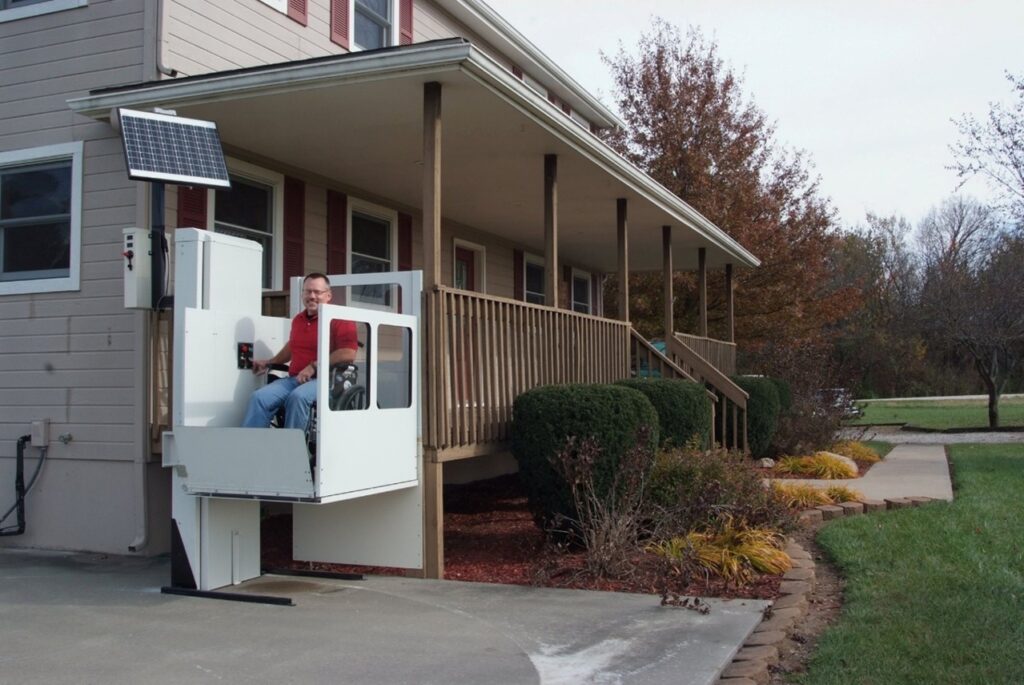
In many situations, a vertical platform lift provides the safest and most practical solution for entering or leaving the home. Other properties may benefit from one of our residential platform lifts because of the available space or elevation changes involved. Rather than steering every homeowner toward the same product, we explain the differences so you can choose with confidence.
Everyday Life Often Becomes Much Simpler
The biggest improvements aren’t always the ones people expect. Instead, they’re the little routines that suddenly require much less effort. Coming home after a doctor’s appointment feels less stressful. Visiting the backyard becomes easier. Family gatherings don’t revolve around avoiding a particular entrance.
Friends can visit without wondering which door is accessible. Those moments may seem small on their own, but together they can make a home feel far more welcoming and comfortable. That’s one reason many families begin researching home lifts for disabled homeowners after realizing how much easier everyday routines could become. Many homeowners tell us the extra independence becomes just as valuable as the lift itself.
One Home Can Have Very Different Needs From Another
Some homeowners contact us after a recent injury. Others are helping a parent remain safely at home. We’ve also worked with families building a new house where accessibility was included from the very beginning instead of being added later. When access is needed outside the home, an outdoor lift can provide a dependable way to reach porches, decks, garages, and other elevated entrances without extensive construction.
Staying Home designs these systems for reliable everyday use with durable, weather-resistant materials that blend into the home whenever possible. We spend more time learning how someone uses their home than talking about equipment. That usually leads us to the best recommendation.
Why Homeowners Choose Staying Home
Helping people remain independent has always been the reason Staying Home exists. Our products are proudly made in the USA and designed for dependable daily performance. Many models include battery-powered operation, allowing continued use even during many power outages. Safety features such as landing interlocks, emergency stops, safety pans, and durable drive systems are designed to provide confidence every time the lift is used.
One thing people mention after the project is that they appreciated having someone explain the options in plain language instead of overwhelming them with technical details. Choosing a wheelchair lift is a significant decision, and we believe homeowners deserve clear information that helps them feel confident every step of the way. Whether you’re making changes for yourself or someone you love, our goal is to help you find a solution that feels like a natural part of your home instead of an afterthought.
.
Frequently Asked Questions
.
How do I know which type of lift is right?
The answer depends on how you’ll use it, where it will be installed, and the amount of space available. A home evaluation is the best place to begin.
Will installing a lift require major construction?
Not always. Many installations require far less structural work than homeowners expect, especially when the right product is selected from the beginning.
Are outdoor lifts built for year-round use?
Yes. Outdoor models are designed to withstand changing weather conditions while providing reliable performance throughout the seasons.
Finding the Best Fit Starts With Understanding Your Home
Choosing a wheelchair lift is about much more than overcoming a few steps. If you’re ready to learn what options fit your property, the team at Staying Home is here to answer your questions and help you find a solution that’s designed around your home, not just the equipment.

Ready to get started? Reach out to our Staying Home team online or give us a call at 877-378-4275 for more details. We are a small company based in Missouri, and we’ve helped a lot of folks stay comfortable in the homes they love.
Look, we get it. Stairs can get tough. Whether you’re planning ahead or already feeling the strain, adding an elevator to your home might be easier than you think. Ours don’t need a huge remodel or fancy setup. They even run when the power goes out. No pushy sales stuff. Just honest conversations about what might work for you.
