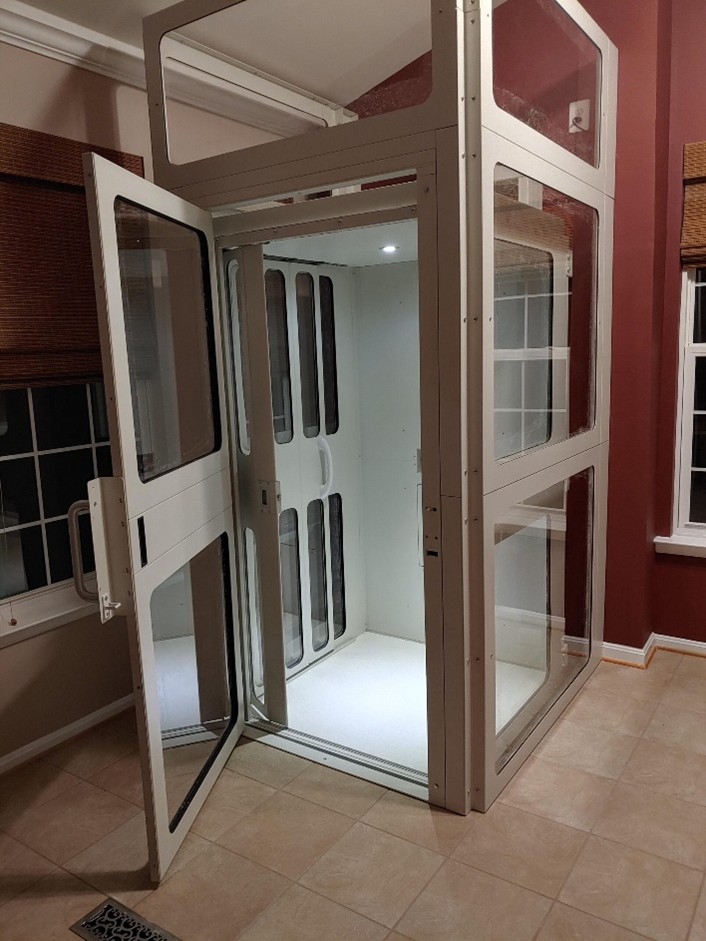
For many homeowners, a residential elevator is not about convenience. It is about continuing to enjoy the spaces that have always been part of everyday life. As mobility needs change, some areas of a property become harder to reach. The right accessibility equipment can help keep those spaces within reach.
It Often Starts With a Space Someone Misses
The first conversation is not always about mobility equipment. Sometimes it is about a deck that no longer gets used. Other times it is a front porch, a workshop, or a favorite outdoor sitting area. The homeowner is still comfortable inside the house, but getting to certain parts of the property has become more difficult.
At Staying Home, we hear stories like this often. Families are not always looking for a major change. They simply want a way to continue enjoying the places that matter to them.
The Challenge Is Not Always Inside the House
Many people assume accessibility concerns begin indoors. In reality, outdoor spaces are often where homeowners first notice a problem. Some situations involve homeowners who built their dream home years ago without considering future accessibility needs. Some begin researching an outdoor elevator after realizing that decks, patios, or elevated entrances have become harder to reach than they once were.
That is where a residential elevator can become part of the conversation. Most homeowners aren’t looking to change their routines. They simply want access to the same spaces they’ve always enjoyed. We’ve spoken with homeowners who slowly stopped using certain areas because reaching them became frustrating. Once access improved, those spaces became part of daily life again.
Looking at the Property Through a Different Lens
One thing we encourage families to consider is how they use their property today. The conversation usually starts with questions. Which areas get used most often? Which areas have become harder to reach? Are there outdoor spaces that family members avoid because access feels difficult?
Every property tells a different story. Some homeowners are interested in a home elevator because they want easier movement between levels. Others are focused on outdoor access and begin exploring options offered by an experienced outdoor elevator company. Sometimes the answer is straightforward. Other times, families spend weeks comparing options before deciding what feels right for their home.
Why Better Access Changes More Than Movement
Families often tell us they expected accessibility equipment to improve safety. What surprises them is how much it affects daily routines. The biggest benefit isn’t always what people expect. Many homeowners assume the change will mostly affect mobility. What they often notice first is how frequently they start using certain spaces again. A deck that sat empty for months becomes part of the daily routine. A front porch becomes a place to relax again instead of a set of stairs to avoid.
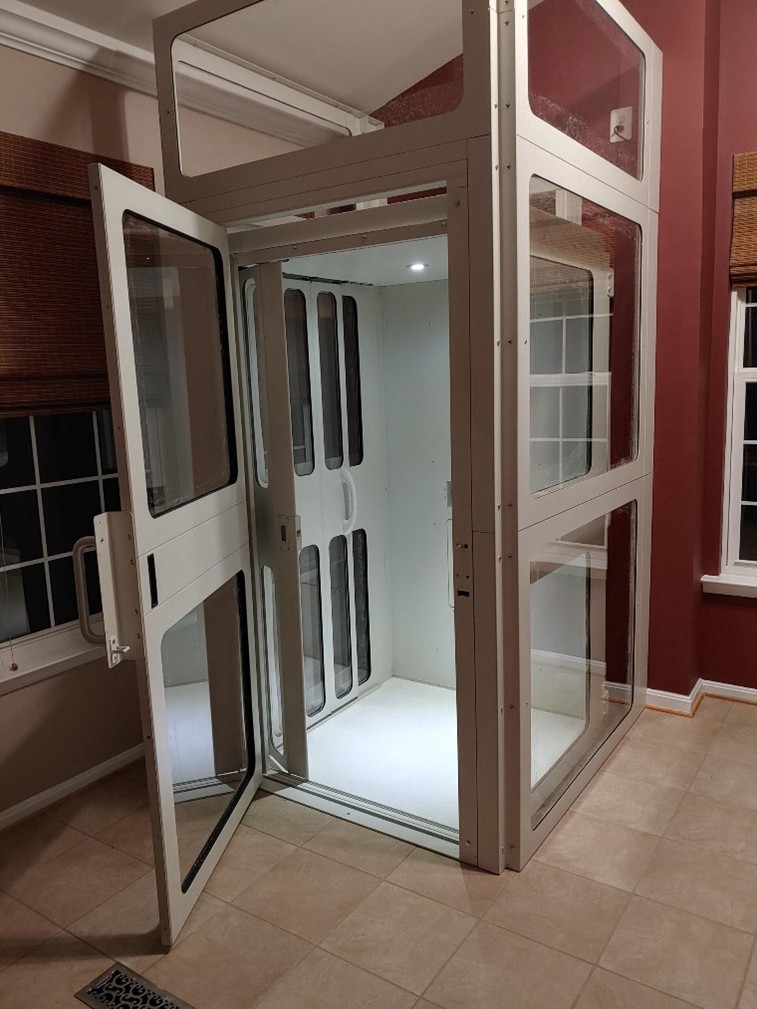
We’ve heard homeowners talk about spending more time on a porch they had nearly stopped using. Others tell us they feel more comfortable inviting family over because they can move around the property more easily. A well-planned residential elevator often supports more than mobility. It helps people stay connected to the spaces and activities they enjoy.
The Situations We See Most Often
One common situation involves outdoor gathering spaces. A deck may have been the center of family events for years. Then mobility changes begin making those stairs more difficult. The space is still there. It simply becomes harder to reach. Another situation involves homeowners who built their dream home years ago without considering future accessibility needs. As priorities change, they begin looking at accessibility solutions for homes that help them continue enjoying the property without major disruptions.
We also see growing interest from homeowners who are thinking about aging in place before mobility concerns become urgent. They want options that allow them to remain comfortable in familiar surroundings for as long as possible.
Why Families Trust Staying Home
At Staying Home, we understand that accessibility decisions are personal. The equipment matters, but it usually isn’t the first thing people want to talk about. Most conversations start with a space they’ve stopped using or a concern about what the next few years might look like.
We’ve spoken with homeowners who wanted easier access to a workshop, a backyard patio, a second-floor living area, and just about every type of space in between. Our team works with dependable producers and focuses on helping families understand their options without pressure.
One thing we have learned is that every homeowner arrives with a different goal. One person wants to reach a favorite patio. Another wants easier access between levels. Another simply wants peace of mind about the future. That is why we begin with the conversation rather than the product.
Common Questions Homeowners Ask
Is a residential elevator only for people with serious mobility limitations?
No. Many homeowners begin exploring accessibility options before mobility becomes a major concern. Early planning often provides more flexibility and more choices.
Can accessibility equipment help preserve outdoor living spaces?
Yes. Many homeowners use accessibility products to maintain access to decks, patios, porches, and other outdoor areas that are important parts of daily life.
Why are more homeowners planning accessibility improvements?
Many families want to remain in their homes longer. Accessibility upgrades can help support comfort, independence, and long-term usability.
Some Parts of a Home Are Worth Keeping Within Reach
The spaces we enjoy most often become part of our routines. A favorite porch. A backyard deck. A place where family gathers. A residential elevator can help homeowners continue using those spaces safely and comfortably as needs change over time. If you are exploring accessibility options for yourself or a loved one, contact Staying Home today. We can help you learn more about products designed to support independence, improve access, and make more of your property available for years to come.
Ready to get started? Reach out to our Staying Home team online or give us a call at 877-378-4275 for more details. We are a small company based in Missouri, and we’ve helped a lot of folks stay comfortable in the homes they love. We also install home lifts for disabled individuals.
Look, we get it. Stairs can get tough. Whether you’re planning ahead or already feeling the strain, adding an elevator to your home might be easier than you think. Ours don’t need a huge remodel or fancy setup. They even run when the power goes out.
No pushy sales stuff. Just honest conversations about what might work for you.
