Many homeowners do not notice accessibility challenges all at once. Instead, small changes happen over time. A different entrance gets used. Certain tasks take longer. Home lifts for disabled individuals can help restore access and make daily routines feel easier and more comfortable again.
Most Changes Happen Gradually
Few people wake up one morning and decide they need accessibility equipment. What we often hear is that routines started changing months or even years earlier. Someone begins avoiding a staircase. They stop carrying certain items between levels. They use one entrance because another feels less convenient. None of these changes seem important at first.
At Staying Home, we’ve spoken with many homeowners who tell us the same thing. Looking back, they can see how their habits changed over time. The challenge is that those changes often happen so gradually that they are easy to overlook.
Small Adjustments Can Add Up
One homeowner might stop carrying laundry upstairs in a single trip. Someone else starts leaving boxes in the garage because moving them feels like more work than it used to. These aren’t major problems on their own. The challenge is that they slowly become part of everyday life.
Sometimes it’s not mobility. It’s effort. Carrying groceries. Moving laundry. Reaching a part of the property that used to feel easy. A homeowner may not think of these situations as accessibility concerns at first. They simply adapt. Over time, those adaptations can affect how much of the home gets used and how comfortable daily life feels, which often prompts homeowners to search for home lifts for disabled individuals.
Looking Beyond the Obvious Obstacles
Accessibility discussions often focus on major barriers. What we see is something different. Many homeowners are dealing with small obstacles that appear several times throughout the day. A few steps here. A change in elevation there. An entrance that has become harder to navigate. That is why we start by learning how people use their homes.
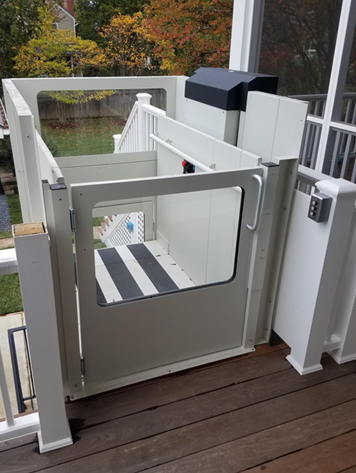
Some homeowners explore home lifts for elderly family members who want to remain independent. Others are interested in a vertical platform lift because it provides easier access between different levels of a property. The equipment matters, but the conversation usually starts with understanding how someone lives in the home today.
The Benefits Go Beyond Mobility
When people think about accessibility equipment, safety is often the first thing that comes to mind. Safety matters. But it is not always the benefit homeowners talk about most. Many people tell us they appreciate having fewer daily workarounds. They no longer have to think about which entrance to use or avoid certain parts of the property. The benefits look different from one household to the next.
Some homeowners tell us they appreciate having fewer daily frustrations. Others simply like being able to move around the property without constantly thinking about the easiest route. One person may value convenience. Another may value independence. There isn’t a single answer. One homeowner may value convenience. Another may focus on independence. The benefits often depend on the person’s goals and daily routine.
The Situations We Encounter Most Often
One pattern appears again and again. A homeowner tells us they can still do everything they want to do. It just takes more effort than it used to. That extra effort adds up. The grocery trip takes a little more effort. The stairs require more planning. Carrying items from one level to another becomes something they think about instead of something they simply do.
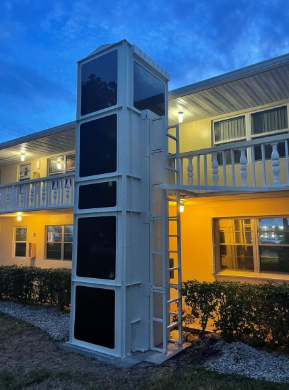
We also hear from families who want to make a property more accessible for visiting relatives or aging parents. In those situations, products such as residential platform lifts can help create safer access without dramatically changing the home’s layout. Sometimes accessibility conversations extend beyond mobility. Homeowners occasionally ask about products such as a dumbwaiter to simplify moving groceries, household supplies, or other items between levels. Every situation is different, but most conversations begin with a desire to make everyday life a little easier.
Why Homeowners Trust Staying Home
Most people don’t call us because they’re interested in accessibility equipment. They call because something in their routine has become harder than it used to be. The equipment comes later. The conversation usually starts with the challenge. Over the years, we’ve worked with homeowners across the country who wanted straightforward answers about their accessibility options. Many contact us because they are unsure what products fit their needs.
One thing we’ve learned is that most people are not looking for equipment when they first reach out. They are looking for solutions to everyday challenges. Sometimes that challenge involves stairs. Sometimes it involves a raised entrance. Sometimes it involves helping a loved one remain comfortable at home. That is why we focus on listening first.
Common Questions We Hear From Homeowners
What usually prompts people to explore accessibility equipment?
It varies, but many people tell us they start taking the easier route through the house without realizing it. Small habits often appear before larger accessibility concerns. As those changes become more noticeable, home lifts for disabled individuals often become part of the conversation.
Do accessibility products only help people with major mobility limitations?
No. Many homeowners explore options while they are still active and independent. They simply want easier access and fewer daily obstacles.
Is a wheelchair lift the same as other accessibility products?
Not always. A wheelchair lift is designed for specific mobility needs, while other accessibility products may address different challenges around the home.
A Better Routine Often Starts With Better Access
Most accessibility decisions are not about making dramatic changes. They are about making everyday life easier. When small obstacles begin affecting daily routines, home lifts for disabled individuals can help restore access, confidence, and independence.
If you are exploring accessibility options for yourself or a loved one, contact Staying Home today. Our team can help you understand available products and find an option that supports comfortable living for years to come.

Ready to get started? Reach out to our Staying Home team online or give us a call at 877-378-4275 for more details. We are a small company based in Missouri, and we’ve helped a lot of folks stay comfortable in the homes they love. We also install home lifts for disabled individuals.
Look, we get it. Stairs can get tough. Whether you’re planning ahead or already feeling the strain, adding an elevator to your home might be easier than you think. Ours don’t need a huge remodel or fancy setup. They even run when the power goes out.
No pushy sales stuff. Just honest conversations about what might work for you.
