For many families, aging in place starts long before mobility becomes a daily concern. A lot of homeowners don’t start thinking about accessibility because something went wrong. They start thinking about it because they want to stay where they are. The house works. The neighborhood feels familiar. The goal is keeping it that way for as long as possible.
It Usually Starts With a Simple Conversation
Many people assume home accessibility upgrades are only needed after a fall or medical event. What we often see is something different. Families are starting conversations earlier because they want to prepare before mobility challenges begin affecting daily life.
At Staying Home, we’ve spoken with homeowners across the country who want to remain in the homes they know and love. In many cases, they are still active and independent. They simply recognize that planning ahead gives them more control over their future.
Small Concerns Tend to Grow Over Time
When people talk about aging in place, they are talking about remaining in their home safely as they grow older. The goal is not simply staying in the house. The goal is to continue to enjoy daily routines, outdoor spaces, and family gatherings without unnecessary obstacles.
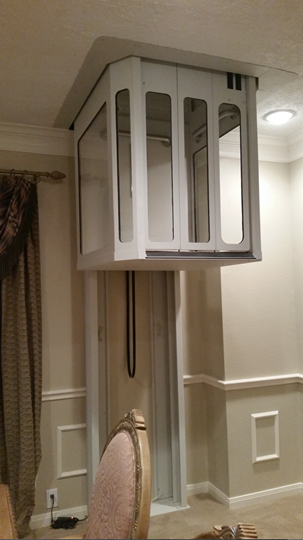
Many homeowners begin by evaluating areas that may become difficult over time. Entryways, elevated porches, decks, and multi-level living spaces are often part of the discussion. Products such as a home elevator can help create easier access while allowing homeowners to remain in familiar surroundings.
We’ve noticed that families who start planning earlier tend to have more flexibility. They can evaluate options carefully instead of making decisions during a stressful situation.
What Works for One Family May Not Work for Another
We take time to understand how a homeowner uses their space today and how those needs may change over time. We also understand that people want options. Some families explore a shaftless home elevator because of its compact design. Others may be interested in different mobility products depending on their home’s layout and future goals.
Why People Wish They Had Started Sooner
One reason aging in place continues to grow in popularity is that it offers benefits beyond mobility. One benefit families mention often is peace of mind. They worry less about navigating stairs or avoiding certain areas of the property. We also hear from homeowners who start using spaces again that they had slowly stopped visiting. Sometimes it’s a deck. Sometimes it’s a backyard patio. Small changes can make those areas feel accessible again.
We’ve spoken with homeowners who wish they had started planning sooner. Small improvements made today can often make a meaningful difference years down the road. Another benefit is avoiding rushed decisions. When accessibility needs appear unexpectedly, families often feel pressure to act quickly. Planning ahead creates time to evaluate options and choose what works best.
Real Needs, Real Homes
One trend we’ve noticed is that accessibility planning is no longer limited to older adults with immediate mobility concerns. Many homeowners in their fifties and sixties are already thinking about the future. In Missouri and throughout the country, families are looking for practical ways to remain in their homes longer. Some are building new homes with future accessibility in mind. Others are updating existing properties to better support long-term independence.
We also see growing interest in accessibility solutions for homes that allow people to continue enjoying outdoor spaces. A backyard patio, front porch, or elevated deck often becomes part of everyday life. Homeowners want to keep using those spaces comfortably for years. For properties in areas affected by severe weather, some homeowners also ask about specialized products such as hurricane-rated home elevators. Planning conversations often include both accessibility and long-term durability.
Why Homeowners Turn to Staying Home
At Staying Home, we understand that accessibility decisions affect more than a property. They affect everyday life. Over the years, we’ve worked with homeowners who want straightforward guidance and dependable products. Our team focuses on helping families understand their options without pressure. We believe every situation deserves careful consideration.
One thing we’ve learned is that people usually aren’t shopping for equipment when they first call. They’re trying to solve a problem. Maybe a parent is having trouble with outdoor steps. Maybe someone wants to stay in the home they built twenty years ago. The equipment comes later. The conversation starts with how they want to live.
Common Questions About Planning Ahead
When should families start planning for aging in place?
Earlier is often better. Planning before mobility challenges develop usually provides more options and allows homeowners to make thoughtful decisions.
Does every homeowner need major accessibility upgrades?
No. Some homeowners benefit from simple changes, while others may explore products such as a residential elevator or other mobility equipment.
Why is aging in place becoming more popular?
Many people prefer remaining in familiar surroundings. Planning ahead allows them to maintain independence while continuing to enjoy the home they already love.
Looking Ahead Starts Today
The decision to begin aging in place planning is often less about current needs and more about future opportunities. Taking time to evaluate accessibility options now can help create a safer and more comfortable home for years to come. If you are thinking about long-term independence for yourself or a loved one, contact Staying Home today. Our team can help you explore accessibility products and discuss practical ways to support safe, comfortable living at home.

Ready to get started? Reach out to our Staying Home team online or give us a call at 877-378-4275 for more details. We are a small company based in Missouri, and we’ve helped a lot of folks stay comfortable in the homes they love. We also install home lifts for disabled individuals.
Look, we get it. Stairs can get tough. Whether you’re planning ahead or already feeling the strain, adding an elevator to your home might be easier than you think. Ours don’t need a huge remodel or fancy setup. They even run when the power goes out.
No pushy sales stuff. Just honest conversations about what might work for you.
