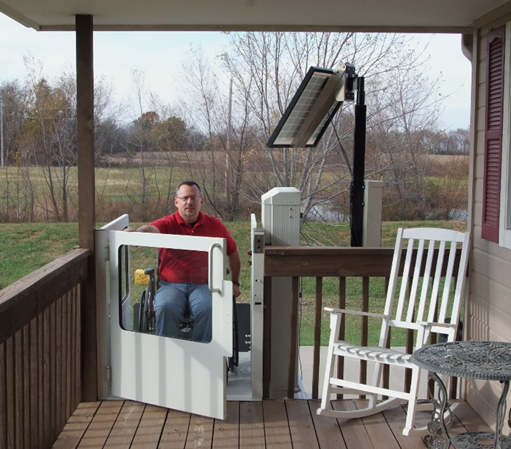
For many homeowners, a single step can gradually become one of the hardest parts of the day. A wheelchair lift can help make entrances, decks, porches, and other areas easier to access while allowing people to continue enjoying the homes they love.
Most Homes Have One Challenging Spot
Many people think accessibility challenges affect an entire property. What we often see is something much simpler. A homeowner may move comfortably through most of the house but struggle with one specific location. It could be the front entrance. It might be the garage entry. Sometimes it is a short set of stairs leading to a deck or patio.
At Staying Home, we’ve had countless conversations that start this way. Families are not always looking for a major renovation. They are trying to solve one problem that keeps showing up every day.
Small Barriers Have a Way of Growing
A single step does not seem like much until it has to be used several times a day. Over time, even a small change in mobility can make an entrance feel less comfortable or less safe. That is when homeowners often begin exploring accessibility products. Most people don’t call because they’re tired of stairs. They call because there’s one entrance they’re starting to avoid. The front porch. The garage door. The deck where they drink coffee every morning.
A wheelchair lift creates a safer way to move between levels without requiring someone to navigate steps repeatedly. One thing we hear frequently is that people adjust their routines before they realize it. They start using a different entrance. They avoid carrying items up steps. They spend less time in certain areas of the property.
Looking at Access Differently
Every home has its own layout and challenges. Some properties have elevated entrances. Others have decks, porches, or detached garages that require navigating stairs. Lakefront properties often present unique accessibility concerns because of changing elevations between the home and the water.
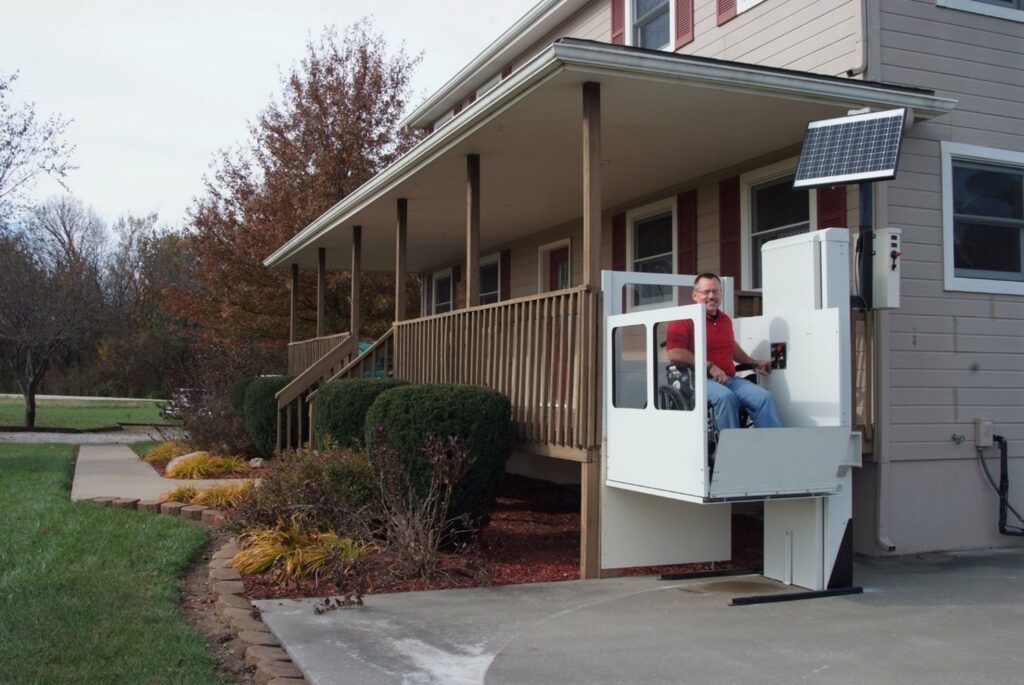
That is why we begin by understanding how someone uses their property. We look at daily routines, common access points, and areas that have become more difficult to reach. For some homeowners, a vertical platform lift provides the right solution. Others may benefit from different accessibility products depending on their needs and property design. The goal is always the same. Create safer, easier access while helping homeowners maintain their normal routines.
What Homeowners Notice After Access Improves
Families often expect accessibility equipment to improve safety. They are usually right. What surprises many people is how much it affects confidence. Some homeowners begin using entrances they had avoided. Others feel more comfortable carrying groceries, moving personal items, or welcoming guests. A wheelchair lift can remove uncertainty from everyday tasks that once felt frustrating.
We also hear about the peace of mind it provides family members. Knowing that a loved one has safer access to important areas of the property can ease a great deal of worry. Families describe the benefits in different ways. Some talk about feeling more confident using the front entrance again. Others appreciate not having to rely on family members for help every time they leave the house. A few simply tell us they use parts of their property more often than they did before.
The Situations We Encounter Most Often
One conversation comes up more often than people might expect. A homeowner tells us they still move around the house comfortably. The issue is getting from the driveway to the front door. Nothing dramatic happened. The steps just became a little harder every year. That’s often where the discussion starts.
A homeowner has lived comfortably in the same house for years. Nothing about the property has changed. What changes is how they interact with it. The front steps become more difficult. The deck gets used less often. The route from the garage feels more challenging than it once did. We’ve also worked with families looking for a lake home lift to improve access at waterfront properties where uneven terrain can create additional mobility concerns.
In some cases, people exploring accessibility products also ask about related equipment such as a dumbwaiter for moving groceries, supplies, or personal items between levels more easily. Every situation is different, but the goal is often the same. Continue living comfortably in a familiar environment.
Why Homeowners Turn to Staying Home
Accessibility equipment affects everyday life. That is why we believe the conversation should start with the homeowner, not the product. Over the years, we have worked with families looking for practical ways to improve access while preserving the character of their homes. We take time to listen first.
A common conversation can involve homeowners researching residential platform lifts because they want to continue using all parts of their property without making major structural changes. We’ve learned that most homeowners don’t have all the answers when they first call. That’s completely normal. They’re usually trying to figure out what options exist and whether those options make sense for their home.
Common Questions About Home Accessibility
What do homeowners usually ask first?
Usually, they want to know whether they need a major project. In many cases, they’re surprised to learn there may be simpler ways to improve access.
Can accessibility equipment be used outdoors?
Yes. Many products are designed to improve access to porches, decks, garages, and other exterior areas of a property. An outdoor lift may be an option depending on the layout and accessibility goals.
What concerns do homeowners talk about most often?
Many people tell us they are worried about losing access to parts of their property they use regularly. Whether it’s a front porch, deck, or garage entrance, a wheelchair lift can help make those areas easier and safer to reach.
Better Access Often Starts With One Problem Area
Most accessibility conversations do not begin with an entire house. They begin with one entrance, one staircase, or one area that has become harder to reach. Addressing that challenge can make a meaningful difference in daily life. If you are exploring accessibility products for yourself or a loved one, contact Staying Home today. Our team can help you learn more about available options and find the right solution for your home and long-term needs.
Ready to get started? Reach out to our Staying Home team online or give us a call at 877-378-4275 for more details. We are a small company based in Missouri, and we’ve helped a lot of folks stay comfortable in the homes they love. We also install home lifts for disabled individuals.
Look, we get it. Stairs can get tough. Whether you’re planning ahead or already feeling the strain, adding an elevator to your home might be easier than you think. Ours don’t need a huge remodel or fancy setup. They even run when the power goes out.
No pushy sales stuff. Just honest conversations about what might work for you.
