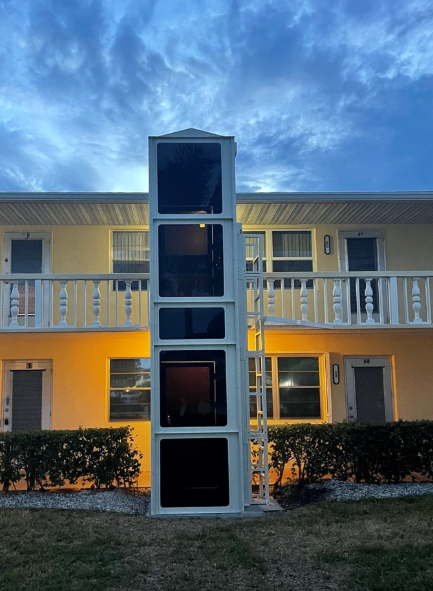
For many homeowners, the biggest obstacle isn’t a staircase inside the house. It’s getting through the front door or reaching another level safely. A vertical platform lift is designed to bridge those elevation changes, making daily life more comfortable while helping people move around their property more independently.
It Often Starts With One Step
Sometimes it’s only two or three steps. Other times it’s a porch, a garage entrance, or a raised patio. It doesn’t take many steps for everyday routines to become frustrating when walking becomes more difficult or a mobility device becomes part of daily life. We’ve talked with homeowners who spent months looking for ways around the problem. Some relied on family members for help. Others simply stopped using certain entrances because they were easier to avoid than navigate. After that, people usually begin asking what their options are.
Not Every Accessibility Challenge Needs an Elevator
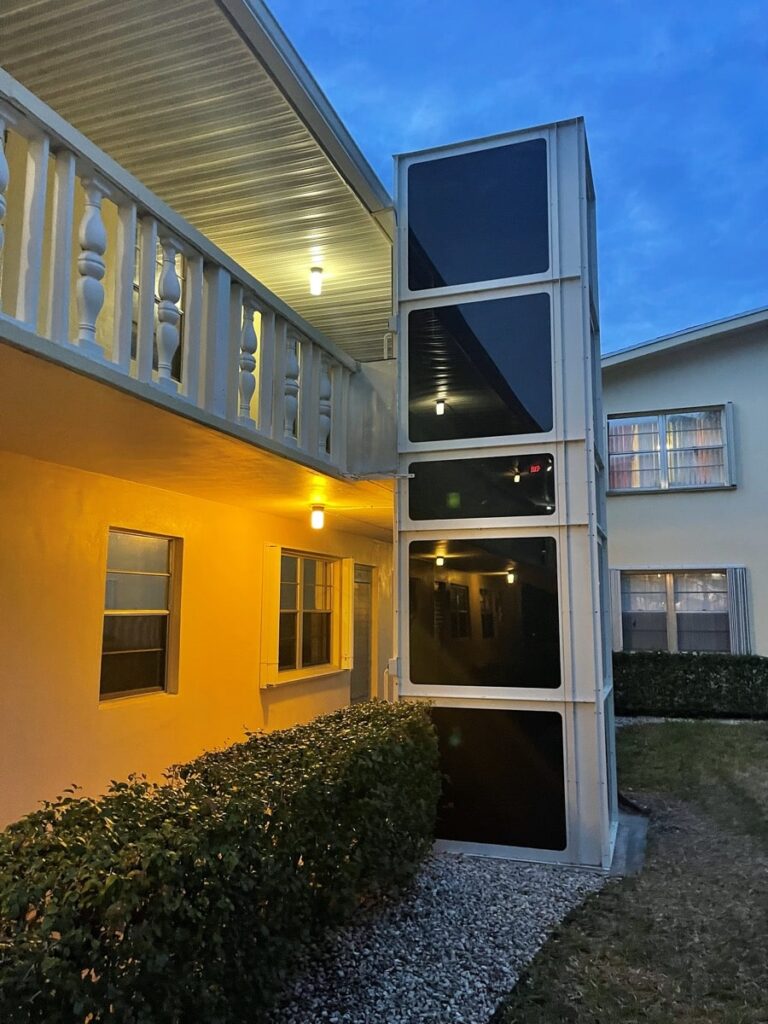
One thing that surprises people is that they don’t always need a full elevator to improve accessibility. In many homes, the goal isn’t traveling between multiple floors. It’s safely moving from one level to another where there’s only a short vertical rise. That’s where a vertical platform lift often makes the most sense. Instead of climbing steps, the platform raises and lowers smoothly while the user remains on it. For many homeowners, that means entering and leaving the home with greater confidence and much less physical effort. Some people first hear the term wheelchair lift, while others are introduced to the equipment during a home accessibility consultation. Whatever name someone uses, the purpose stays the same: making everyday access simpler and safer.
Every Home Presents a Different Challenge
Sometimes the front porch is the biggest obstacle. In other homes, it’s the garage or a back entrance that gets used every day. Sometimes it’s a deck that everyone enjoys during the summer but becomes difficult to reach after mobility changes. A short rise at one entrance may call for a different solution than a larger elevation change somewhere else on the property. We like to spend time learning how homeowners actually use their space before suggesting equipment. The answer isn’t always obvious from looking at photographs or measurements alone.
The Best Recommendation Usually Comes After Listening
People sometimes expect the first part of the visit to be all about measurements. It rarely is. We usually spend more time asking questions. Which entrance do you use every day? Where do visitors come into the house? Is this a temporary need or part of a long-term plan? Those answers help us understand how the lift will become part of daily life, not just where it will be installed. For some homeowners, one of our residential platform lifts provides exactly the right balance of accessibility, reliability, and convenience without requiring extensive changes to the home.
Looking Ahead Can Make Life Less Complicated
Not everyone exploring accessibility equipment needs it right away. Some families are planning ahead. Parents want to remain in the home they’ve lived in for decades. Adult children are helping prepare before mobility becomes more challenging. Others simply want to make sure their home continues working for them instead of against them. We’ve learned that those conversations usually happen earlier than people expect.
Planning ahead often creates more choices than waiting until a change becomes urgent. Depending on the property, an outdoor lift may also provide a practical way to improve access without significantly changing the home’s layout. Our goal is pretty simple: help people use the entrances and spaces they rely on every day without worrying about the steps in between.
Why Staying Home Takes This Approach
Helping people stay comfortable in their homes has always been the reason we do what we do. Our products are proudly manufactured in the United States and engineered for dependable, everyday use. Just as important, we believe every recommendation should begin with understanding the homeowner before discussing equipment.
Some families come to us looking specifically for home lifts for disabled family members. Others are researching home lifts for elderly parents who want to continue living independently. The equipment may look similar from one home to the next, but the reasons people choose it rarely are. We believe listening is one of the most valuable parts of the planning process.
Frequently Asked Questions
How is a vertical platform lift different from a traditional elevator?
A vertical platform lift is typically designed for shorter elevation changes, while a traditional elevator is intended to travel between multiple floors inside a home.
Can a platform lift be installed outside?
Yes. Many homeowners install platform lifts at front entrances, porches, garages, or decks where exterior steps have become difficult to navigate.
Is a platform lift only for wheelchair users?
No. While many wheelchair users benefit from platform lifts, they’re also helpful for people who have difficulty climbing steps or want a safer way to access their home.
Finding the Right Solution Starts With Understanding Your Home
The right vertical platform lift isn’t chosen by looking at a catalog. It’s chosen by understanding how you use your home, which entrances matter most, and what will make everyday life easier for years to come. If you’re exploring accessibility options, Staying Home can help you compare solutions, answer your questions, and recommend equipment that’s designed around your home and the way you live.
Ready to get started? Reach out to our Staying Home team online or give us a call at 877-378-4275 for more details. We are a small company based in Missouri, and we’ve helped a lot of folks stay comfortable in the homes they love.
Look, we get it. Stairs can get tough. Whether you’re planning ahead or already feeling the strain, adding an elevator to your home might be easier than you think. Ours don’t need a huge remodel or fancy setup. They even run when the power goes out.
No pushy sales stuff. Just honest conversations about what might work for you.
