Choosing the right company is just as important as choosing the right product. The best accessibility solutions for homes begin with understanding how you live today, what may change in the future, and which options truly fit your home instead of forcing your home to fit the equipment.
The Right Questions Usually Come Before the Right Answers
We’ve noticed something over the years. People rarely call because they already know exactly what they need. More often, they have questions. Will an elevator fit? Should we be planning now or waiting a few years? Would one solution work better than another? Those aren’t questions that can be answered by looking at a brochure. They’re answered by understanding the home and the people living in it. At Staying Home, that’s where every conversation begins. Before recommending equipment, we want to learn how the house is used and what the homeowner hopes life will look like in the years ahead.
Planning Looks Different for Every Family
No two homeowners use their space in the same way. One family may be thinking about parents who visit every weekend. Another may be remodeling with the future in mind. Someone else simply wants to avoid carrying groceries, laundry, or storage boxes up and down the stairs quite so often. On the surface, those sound like completely different situations. They aren’t really about equipment. They’re about making everyday life work a little better. That’s why good accessibility solutions for homes rarely begin with a product recommendation. Listening usually comes first.
Homeowners usually know what’s no longer working. They just aren’t always sure what the best answer looks like. Our job is helping them discover which improvements make the most sense.
Experience Shows Up in Small Details
One thing we’ve learned is that experienced companies usually spend less time talking and more time asking. They’ll ask where everyone sleeps. Which entrance gets used the most. Whether you’re building a new home or planning around one you’ve loved for years. Those details matter because they often influence the recommendation more than square footage alone.
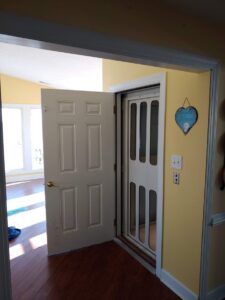
Sometimes a traditional residential elevator is the best fit. Other homes may benefit from a shaftless home elevator because the layout makes a more compact design practical. Neither option is automatically better. The house usually points everyone in the right direction.
Good Planning Should Leave You With Choices
People sometimes worry they’ll be pushed toward one particular product. That isn’t how thoughtful planning works. A good accessibility company shouldn’t rush someone toward one answer. They should explain the options, answer questions, and let homeowners understand why one approach may fit better than another. We’ve had conversations where the first idea wasn’t the one that made the most sense by the end of the visit. Nobody talked them into anything. They simply saw the house a little differently than they had before. That’s one reason strong accessibility solutions for homes continue paying off long after the installation is finished. The planning matters just as much as the equipment itself.
Looking Beyond Today
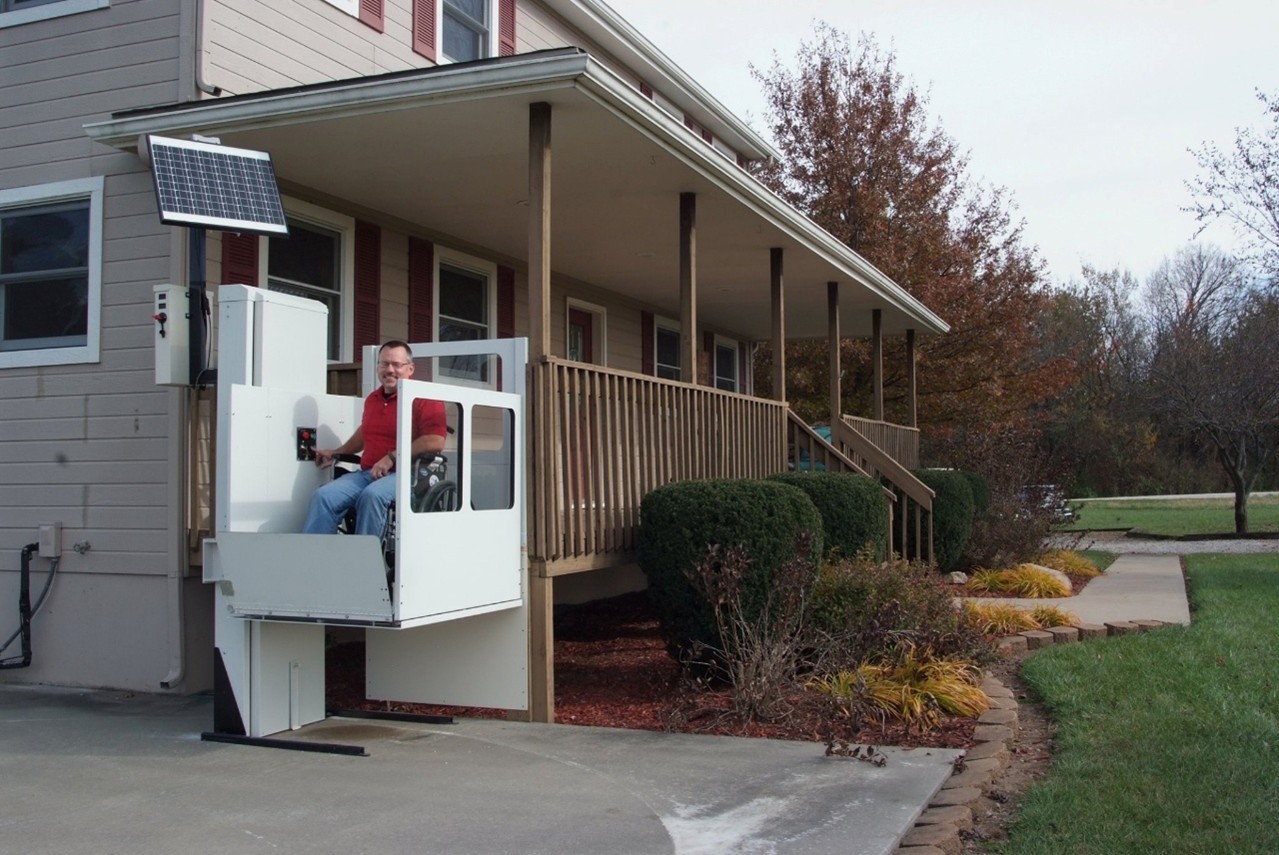
One thing that surprises people is how often these conversations begin before anyone actually needs assistance. The stairs may still be manageable. Life may feel perfectly normal. Even so, homeowners sometimes want to prepare while they have plenty of options instead of waiting until a change forces quick decisions. For many families, that’s what aging in place is really about. It’s planning. Not reacting. We’ve also worked with homeowners who discovered that the biggest challenge wasn’t inside the house at all. Steep grades, exterior stairs, or elevated entrances sometimes make an outdoor elevator the better place to begin. The layout usually shapes what’s possible.
Why Staying Home Takes a Different Approach
Helping people remain comfortable in the homes they love has always been our mission. Our products are proudly manufactured in the United States and engineered for dependable, everyday use. Just as important, we believe recommendations should come from real conversations instead of assumptions. If one option makes better sense than another, we’ll explain why.
If several choices could work, we’ll walk through the advantages of each one. Sometimes that recommendation leads to a home elevator. Other times it points in a different direction altogether. What matters most is helping homeowners feel confident that the recommendation fits both their house and their future.
Frequently Asked Questions
When should I start thinking about accessibility planning?
Many homeowners begin exploring options before they actually need them. Planning early often provides more flexibility and more choices.
Is accessibility planning only for older adults?
Not at all. Some homeowners simply want greater convenience, while others are planning for future mobility or helping a family member remain comfortable at home.
Why is the planning process so important?
Good planning helps ensure the solution fits naturally into your home and continues meeting your needs for years to come.
A Good Plan Starts With a Conversation
The best accessibility solutions for homes don’t begin with choosing equipment. They begin with understanding the people who will use it every day.
If you’re thinking about making your home easier to navigate now or in the future, Staying Home is here to help. We’ll answer your questions, learn about your goals, and help you explore solutions designed around the way you live, not just the space you have.

Ready to get started? Reach out to our Staying Home team online or give us a call at 877-378-4275 for more details. We are a small company based in Missouri, and we’ve helped a lot of folks stay comfortable in the homes they love.
Look, we get it. Stairs can get tough. Whether you’re planning ahead or already feeling the strain, adding an elevator to your home might be easier than you think. Ours don’t need a huge remodel or fancy setup. They even run when the power goes out.
No pushy sales stuff. Just honest conversations about what might work for you.
