When people begin researching a home elevator, they often notice two very different styles. Some are designed to make a statement, while others are built to make everyday life easier. Knowing the difference can help you choose a solution that fits both your home and your long-term goals.
The Two Are Often Mixed Together
It’s easy to assume all home elevators serve the same purpose. From a distance, many of them look similar. Step back a little, though, and you’ll notice they’re often built with different priorities in mind. Some homeowners are creating a showpiece for a custom home. Others are looking for a practical way to move safely between floors without giving up the house they’ve lived in for years.
The important part is understanding which one matches the way you plan to use your home. At Staying Home, those conversations happen every day. We’ve learned that the best recommendation usually starts with a simple question. “What do you want this elevator to do for you?”
The Purpose Usually Comes Before the Design
Luxury elevators often begin with appearance. People may be choosing custom finishes, decorative cab interiors, or architectural details that become part of the home’s overall design. Accessibility-focused systems usually begin somewhere else. They start with everyday routines. Maybe someone wants to stop carrying laundry up the stairs. Maybe they’re thinking about parents who visit often. Maybe climbing between floors has become a little more difficult than it used to be.
After a while, most people stop talking about the elevator itself. They start talking about everything it would make simpler. That’s why many families looking for a home elevator spend more time talking about how they live than what they want the cab to look like.
One Size Rarely Fits Every Home
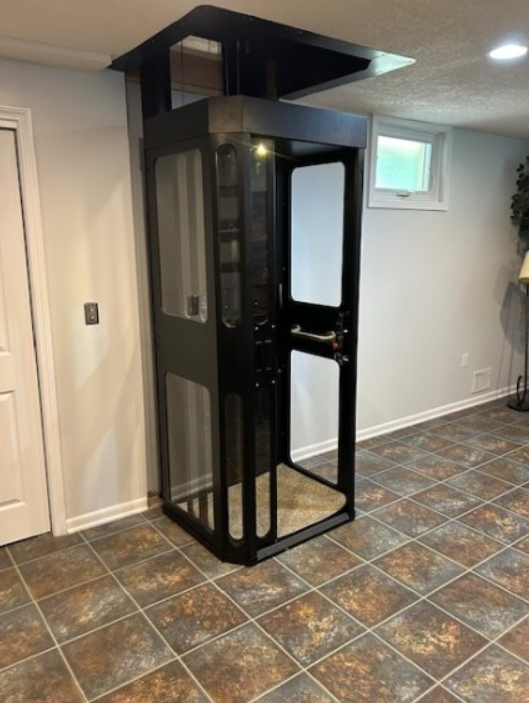
A newly built custom home offers different possibilities than a house that’s been part of the family for thirty years. The available space, the layout, and even where people spend most of their time can all influence the recommendation. That’s also why we don’t start by pointing to one model. We start by listening. As we learn more about the home, the right direction usually becomes much clearer. For some homeowners, a shaftless home elevator makes excellent use of limited space with minimal structural changes. Others have room for a different style that better fits the way the house is designed.
The Best Choice Often Feels Invisible
One thing we’ve noticed is that people rarely call us months later to talk about the elevator itself. They usually don’t start by telling us how much they like the elevator. Instead, they’ll mention they carried all the groceries upstairs in one trip or that visiting family didn’t have to worry about the stairs anymore. Those are the moments that tend to matter most. Good accessibility solutions for homes don’t have to become the center of attention. In many cases, the best solution quietly becomes part of everyday life.
Looking Ahead Doesn’t Mean Giving Anything Up
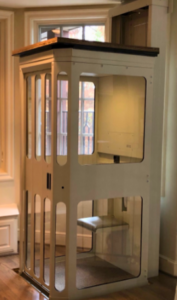
Some homeowners hesitate because they think choosing a practical elevator means giving up style. It doesn’t have to work that way. Today’s systems can blend into a home’s design while still focusing on comfort, reliability, and safety. A thoughtfully selected residential elevator can complement the home’s appearance while supporting daily mobility for years to come.
Before long, people begin thinking about the years ahead. Many families begin exploring options long before stairs become a daily obstacle. They simply want to know they’ll be able to enjoy every level of their home in the future. That’s one reason so many homeowners see an elevator as part of aging in place rather than a reaction to an immediate need.
Why Staying Home Takes This Approach
Helping people remain comfortable in the homes they love has always been our focus. Our elevators are proudly made in the USA and designed with reliability, durability, and everyday use in mind. They’re also battery-powered, allowing multiple trips even during a power outage, a feature that reflects our commitment to dependable accessibility. Just as important, we don’t believe every homeowner should receive the same recommendation.
Some families benefit from a traditional home elevator installed inside the home. We’ve also met homeowners who realized the biggest challenge wasn’t moving between floors inside the house; it was getting to the front door or navigating elevation changes outside. In those situations, talking with an outdoor elevator company can help them explore solutions designed specifically for exterior access while keeping their home comfortable and easy to enjoy. A brochure can tell you what an elevator does. It can’t tell you which one actually fits your home.
Frequently Asked Questions
Are luxury and accessibility-focused elevators built differently?
Sometimes. While both move people between floors, accessibility-focused models are typically selected for ease of use, safety, and long-term practicality, while luxury models often place greater emphasis on custom finishes and design.
Can an accessibility-focused elevator still look attractive?
Yes. Many homeowners choose designs that complement the rest of the house while keeping everyday function as the priority.
Can an elevator add value beyond mobility?
Many homeowners appreciate the added convenience, especially when carrying groceries, luggage, or other heavy items between floors.
Finding the Right Fit Starts With the Right Conversation
Choosing a home elevator isn’t really about deciding between luxury and practicality. It’s about deciding what will make your home work better for you. If you’re exploring your options, Staying Home can help you compare different solutions, answer your questions, and recommend an elevator designed around the way you live today and the way you hope to live in the future.

Ready to get started? Reach out to our Staying Home team online or give us a call at 877-378-4275 for more details. We are a small company based in Missouri, and we’ve helped a lot of folks stay comfortable in the homes they love.
Look, we get it. Stairs can get tough. Whether you’re planning ahead or already feeling the strain, adding an elevator to your home might be easier than you think. Ours don’t need a huge remodel or fancy setup. They even run when the power goes out.
No pushy sales stuff. Just honest conversations about what might work for you.
