For most people, the word “elevator” suggests hotels or office buildings. Something large. Commercial. Industrial.
But a residential elevator is different. It’s designed specifically for private homes and everyday living. And for many families, it becomes one of the most practical accessibility upgrades they’ll ever make.
So, What Is a Residential Elevator?
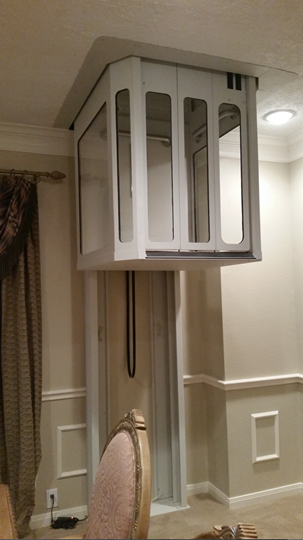
At its core, a residential elevator is a vertical lift system built for use inside a private home. It connects two or more floors and provides a steady, enclosed path between them.
It’s not oversized. It’s not built like a commercial system. It’s engineered for residential layouts, daily routines, and long-term comfort.
Many homeowners also search for the term home elevator when starting their research. In most residential conversations, those phrases mean the same thing: a vertical system that allows safe, controlled movement between levels. The key distinction is design. A residential system is built with space efficiency and home integration in mind.
Why Accessibility Becomes the Real Conversation
Accessibility doesn’t usually start as a big moment. It builds slowly. The stairs feel longer. Carrying laundry feels heavier. Trips between floors become more deliberate. Over time, that friction changes how people use their homes.
That’s where a residential elevator shifts the conversation. It restores access without forcing a move. Without redesigning the entire layout.
At Staying Home, we often talk with families who aren’t reacting to a crisis. They’re planning. They want the house to work for the next decade — not just today. A thoughtfully installed home elevator makes that possible.
How It Supports Daily Independence
Accessibility isn’t just about mobility devices. It’s about predictability.
A residential elevator creates a consistent route between floors. That matters when balance changes. When injuries happen. When aging becomes part of the equation.
It also changes small things:
- Groceries go upstairs easily
- Guests can access every level
- Storage rooms stay usable
Instead of limiting the home to one floor, the entire structure remains functional. That’s the real benefit.
It’s Not Always About Interior Placement
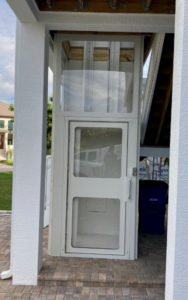
Some homeowners assume elevator systems must be fully interior. That’s not always the case. In certain layouts, an outdoor elevator can address elevation challenges without affecting interior square footage. Exterior placement may preserve closet space, hallways, or living areas that homeowners want to keep intact.
We frequently evaluate outdoor elevator solutions when interior stacking isn’t ideal or when grade changes exist outside the home. The decision depends on structure. Not preference alone.
How We Approach Planning
When someone asks about a residential elevator, we don’t start with equipment brochures. We start with questions.
- Which floors matter most?
- Is the goal long-term aging in place?
- Is this home likely to change ownership?
- Are there entry challenges outside?
Those details shape placement. As an experienced outdoor elevator company, we also look at property grade, weather exposure, and entry flow when exterior options are on the table.
Some families even ask about specific systems like the Outlook outdoor elevator when researching compact exterior designs. In those cases, we evaluate whether the layout supports it. Every home is different. That’s why placement always comes before product selection.
What It’s Not
A residential elevator is not a temporary fix. It’s not a short-term add-on. And it’s not only for luxury properties.
It’s a structural decision designed to preserve how the home functions over time. When installed correctly, it becomes part of the house. Not an attachment to it.
Real Homes, Real Layouts
We’ve seen elevators integrated beside staircases. Within stacked closets. Along garage-to-living transitions. Even through open-concept designs where homeowners initially believed there was “no space.”
The biggest misconception is usually about footprint. In reality, many residential systems require less square footage than people expect.
And when interior room truly is limited, exterior placement often opens new possibilities. The key is evaluation — not assumption.
Why Homeowners Reach Out to Staying Home
Most families don’t contact us because they want something dramatic. They call because they want clarity.
We’ve helped homeowners across Missouri evaluate accessibility improvements for years. With more than 100 years of combined stairway lift design experience, our team focuses on practical integration — not unnecessary construction.
The goal is simple: make the house work the way it used to. Sometimes that means interior placement. Sometimes it means exterior consideration. Sometimes it means planning before mobility becomes urgent. That steady approach builds confidence.
Common Questions About Residential Elevators
Is a residential elevator only for aging homeowners?
No. A residential elevator supports accessibility at any stage of life. Many homeowners install one as part of long-term planning rather than reacting to immediate need.
Does a home elevator require major remodeling?
A home elevator requires structural planning, but it does not always require extensive remodeling. Placement and early evaluation determine how invasive the installation becomes.
Are outdoor elevator systems reliable?
Yes, when properly evaluated. Systems like the Outlook outdoor elevator are considered when layout and exposure align with exterior placement. The structure of the home determines whether exterior integration makes sense.
Ready to get started? Contact us online, or give us a call at 877-378-4275, and we’ll send you the details.
We are a small company based in Missouri with more than 100 years of combined stairway lift design experience.

Look, we get it. Stairs can get tough. Whether you’re planning ahead or already feeling the strain, adding an elevator to your home might be easier than you think. Ours don’t need a huge remodel or fancy setup. They even run when the power goes out.
No pushy sales stuff. Just honest conversations about what might work for you.
