
Multi-level homes offer space and flexibility. But over time, stairs can start to feel like a daily obstacle. That’s where planning ahead comes in. A residential elevator is one upgrade more homeowners are considering—not out of urgency, but to keep their home easy to use long-term.
Why Multi-Level Living Changes Over Time
When people choose a two-story home, stairs rarely feel like a concern. Everything works as expected. Then slowly, routines shift.
Carrying items between floors becomes more noticeable. Certain rooms get used less. Stairs start to feel like something you work around instead of moving through naturally.
Planning ahead helps prevent that shift from becoming a limitation. At Staying Home, we’ve worked with homeowners at every stage. The ones who plan early tend to have more options and a better overall result.
What a Residential Elevator Actually Improves
A residential elevator creates a direct path between floors without relying on stairs. Those alone change how the home functions day to day.
Instead of adjusting routines, homeowners can move freely between levels. Everyday tasks become easier, and all parts of the home stay usable.
Some homeowners refer to this as a home elevator during their research. In most residential settings, the terms describe the same type of system—one designed specifically for private homes. The key benefit is consistency. The home continues to work the way it always has, just with fewer barriers.
Why It’s a Practical Upgrade—Not a Luxury
There’s a common belief that a residential elevator is only for large or high-end homes. That’s not the case.
For many families, it’s a practical decision. It allows them to stay in the home longer without worrying about future access challenges.
Planning ahead also avoids rushed decisions later. When mobility becomes urgent, placement options may be limited. Early planning keeps everything intentional.
Placement Is Easier When You Plan Ahead
Timing affects how well the system fits into the home. When there’s no immediate need, homeowners have more flexibility. The elevator can be positioned where it makes the most sense long-term.
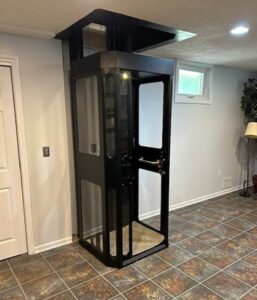
A residential elevator planned early often fits within existing space—along a wall, near a staircase, or within unused areas. It becomes part of the layout instead of something added later. That difference shows up in how natural it feels.
Interior vs Exterior Options
Not every home has room for interior placement. In some cases, an outdoor elevator may be the better solution. Exterior placement can preserve interior space while still providing full access between levels.
We often review outdoor elevator solutions when layouts feel tight or when entry points create additional elevation challenges. Looking at both options early gives homeowners more flexibility.
Why Exterior Planning Requires Experience
Exterior systems involve more than placement. Weather exposure, grading, and entry flow all affect long-term performance. That’s why working with an experienced outdoor elevator company matters.
We evaluate how the system will function over time—not just how it fits today. Some homeowners also ask about systems like the Outlook outdoor elevator when exploring exterior options. These conversations help narrow down what works best based on the property itself.
Real Situations We See Often
We’ve worked with homeowners in a wide range of layouts. In open-concept homes, a residential elevator can align with existing walls and blend into the space. In split-level homes, vertical placement between levels can be more straightforward than expected.
We’ve also seen homeowners plan for long-term living or for visiting family members who need easier access. The common thread is simple: planning early leads to better integration.
Long-Term Benefits That Go Beyond Access
A residential elevator isn’t just about mobility.
It keeps the entire home usable. Upper floors remain part of daily life. Storage areas are accessible. Guests can move comfortably through the space.
Instead of limiting how the home is used, it supports how people already live. That’s what makes it a practical upgrade.
Why Homeowners Choose Staying Home
Most families contact us because they want clarity.
We’ve helped homeowners across Missouri evaluate multi-level living without overcomplicating their homes. With more than 100 years of combined stairway lift design experience, we focus on what fits.
No pressure. No overbuilding. Just solutions that work long-term.
Common Questions About Residential Elevators
Is a home elevator only for mobility concerns?
No. A home elevator is often part of long-term planning, even before mobility becomes a concern.
Can an outdoor elevator work as well as an interior system?
Yes. An outdoor elevator can be a strong solution when interior space is limited or when entry access is the main challenge.
How do I know which option is right for my home?
It starts with the layout. Evaluating how the home is used helps determine whether a residential elevator fits best.
Ready to get started? Contact us online, or give us a call at 877-378-4275, and we’ll send you the details.
We are a small company based in Missouri with more than 100 years of combined stairway lift design experience.

Look, we get it. Stairs can get tough. Whether you’re planning ahead or already feeling the strain, adding an elevator to your home might be easier than you think. Ours don’t need a huge remodel or fancy setup. They even run when the power goes out.
No pushy sales stuff. Just honest conversations about what might work for you.
