
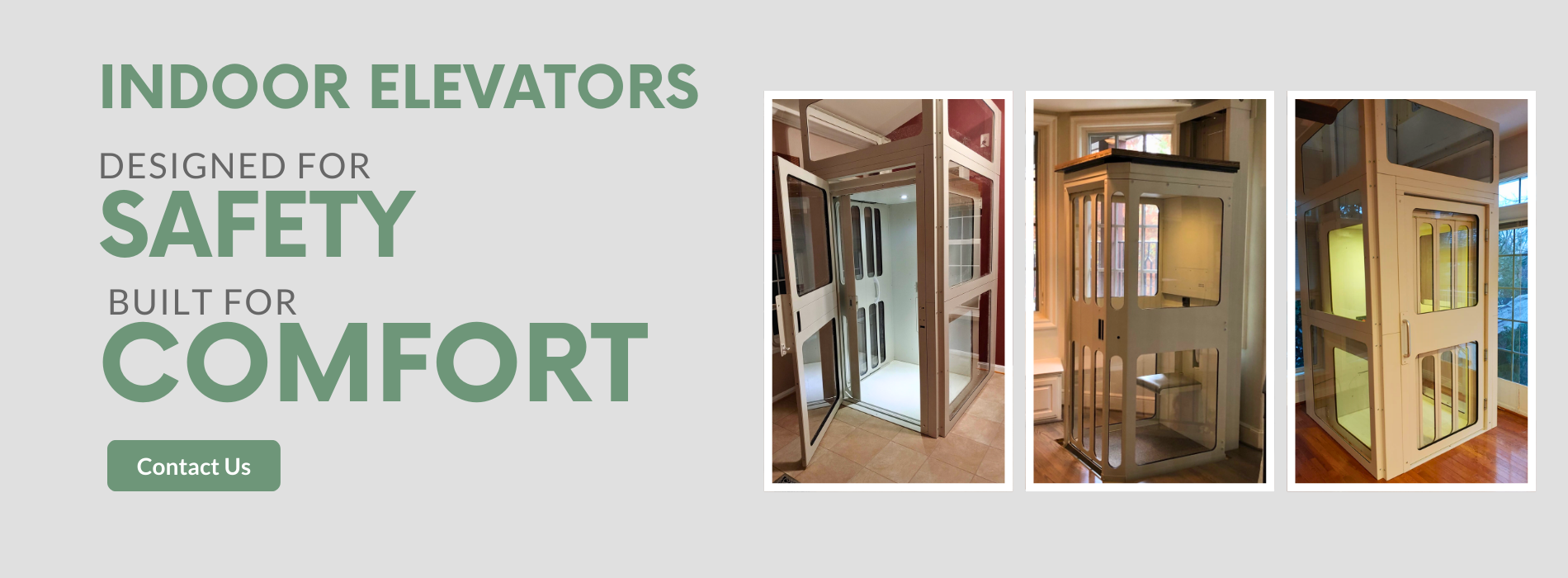
Residential elevator cost is one of the first things homeowners search when they start thinking seriously about adding one. It usually starts the same way. Stairs feel harder. A parent moves in. Or you’re planning ahead so you don’t have to move later.
The question isn’t just “how much?” It’s “what drives the price, and what am I actually paying for?”
Let’s break it down in plain terms so you can see where your money goes in a Home Elevator system and what to expect in 2026.
What affects the cost the most?
There’s no single price tag for a home elevator. Costs shift based on layout, type, and how much work your home needs.
The biggest factors are:
- Type of elevator system
- Number of floors
- Construction requirements
- Electrical upgrades
- Interior finishes
A simple two-stop system in a newer home will cost far less than a custom install that requires cutting through floors or modifying framing.
That’s why pricing can feel all over the place at first glance.
Types of home elevators and how they change pricing
Not all elevators are built the same. The type you choose has a direct impact on both upfront cost and installation complexity.
Traditional systems
These include cable-driven or hydraulic models. They’re common in larger homes or new builds.
They usually require a shaft, machine space, and more construction work. That adds cost, but also allows for larger cabins and smoother travel.
If you’ve seen a full-size home elevator in a custom home, this is likely what you’re looking at.
Shaftless options
Shaftless systems are becoming more popular, especially for retrofits.
They take up less space and don’t need a full enclosure. That cuts down construction costs and shortens install time.
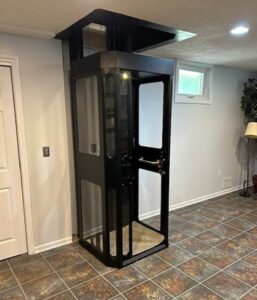
Many homeowners comparing options land on a shaftless home elevator because it fits into existing homes without major structural changes.
Specialty builds
Some homes need more protection based on location.
For coastal properties or storm-prone areas, hurricane-rated home elevators are built to meet stricter safety standards. These can increase costs but are often required for code compliance.
Average cost ranges in 2026
Most homeowners fall into a few general price brackets.
- Basic installs: $35,000–$55,000
- Mid-range systems: $55,000–$85,000
- High-end/custom builds: $85,000–$150,000+
These ranges include equipment and installation, but they don’t always include major construction changes.
If your home needs structural work, costs can climb quickly.
Installation is where budgets shift
The elevator itself is only part of the story.
Installation can make up a large portion of the total investment.
Here’s what often gets added:
- Cutting through floors
- Reinforcing framing
- Electrical upgrades
- Permits and inspections
- Finish work (drywall, trim, flooring)
Homes that are already designed with vertical space in mind cost less to modify.
Older homes, or homes without stacked closets or open vertical pathways, can require more labor.
Why some homes cost more than others
Two homes can install the same elevator model and end up with very different final costs.
It comes down to how “ready” the home is.
A newer home with clean vertical space might only need minor adjustments.
A tighter layout might require relocating plumbing, HVAC, or walls. That’s where costs increase.
This is also why many homeowners exploring accessibility solutions for homes start with an in-home evaluation before committing.
Is it worth the investment?
This question comes up a lot, especially when numbers start climbing.
For many homeowners, the answer ties back to long-term living plans.
If you plan to stay in your home, an elevator removes the need to relocate later. That alone can outweigh the upfront cost.
There’s also resale value. Homes with elevators appeal to a wider range of buyers, especially those thinking about multi-generational living or future mobility needs.
For homeowners focused on aging in place, the decision is less about luxury and more about staying independent.
Maintenance and long-term costs
After installation, there are ongoing costs to keep in mind.
Most systems require:
- Annual inspections
- Routine servicing
- Occasional part replacements
Maintenance plans are usually straightforward and predictable. Compared to the initial install, these costs are relatively small.
Still, they’re part of the full picture.
Where people overspend (and how to avoid it)
A lot of homeowners spend more than they need to, not because the elevator is expensive, but because they didn’t plan the install properly.
Common mistakes include:
- Choosing a system before evaluating the home
- Underestimating construction costs
- Not factoring in electrical upgrades
- Skipping early design planning
Working with a team that evaluates both the equipment and the structure helps avoid surprises.
Residential Elevator cost comes down to trade-offs
When people compare quotes, they’re often comparing very different setups.
One system might be cheaper upfront but require more construction.
Another might cost more for equipment but install faster with less disruption.
The right choice depends on your home, not just the price tag.
Residential Elevator cost and long-term planning
A residential elevator isn’t just a short-term upgrade.
It’s part of how you plan to live in your home over the next 10–20 years.
If stairs are already becoming a concern, waiting usually makes the process harder, not easier.
Planning early gives you more flexibility and often lowers costs.
Residential Elevator cost in real-world scenarios
Most homeowners who move forward aren’t doing it on impulse.
They’ve thought about:
- Future mobility
- Family needs
- Home layout
- Resale value
The cost becomes easier to justify when it replaces a future move or renovation.
Final thoughts on Residential Elevator cost
A residential elevator is a significant investment, but it’s also one that solves a very real problem.
The key is understanding where your money is going before you commit.
Once you break it down, equipment, installation, and long-term use, it becomes much easier to see what makes sense for your home.
FAQs
How long does it take to install a residential elevator?
Most installs take anywhere from a few days to a few weeks. It depends on how much construction is needed. Simple setups move faster. More complex homes take longer.
Do residential elevators add value to a home?
Often, yes. They make homes more appealing to buyers who want long-term living options. That can make a difference, especially in higher-end markets.
Can you install an elevator in an existing home?
Usually, yes. Many systems are designed specifically for retrofits. The layout of your home will determine how simple or involved the process is.

Ready to get started? Reach out to our Staying Home team online or give us a call at 877-378-4275 for more details. We are a small company based in Missouri, and we’ve helped a lot of folks stay comfortable in the homes they love.
Look, we get it. Stairs can get tough. Whether you’re planning ahead or already feeling the strain, adding an elevator to your home might be easier than you think. Ours don’t need a huge remodel or fancy setup. They even run when the power goes out.
No pushy sales stuff. Just honest conversations about what might work for you.
