
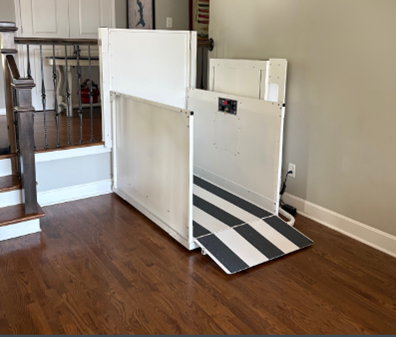
A Shaftless home elevator is one of the most common comparisons homeowners make once they get serious about accessibility solutions for homes. At first glance, both options solve the same problem, getting between floors without stairs. But the way they fit into your home, and what they cost to install, can look very different.
If you’re weighing the decision, it usually comes down to space, budget, and how much construction you’re willing to take on.
The real difference starts with how they’re built
The biggest distinction isn’t how they look, it’s how they’re installed.
Traditional elevators are built into a shaft. That means walls, structure, and often a dedicated mechanical space.
Shaftless models don’t need that enclosure. They travel through a cut-out in the floor and park cleanly on each level.
That one difference changes everything from cost to timeline.
How traditional residential elevators work
Traditional home elevator systems are what most people picture when they hear “elevator.”
They’re enclosed. They run inside a vertical shaft. And they’re powered by either cable or hydraulic systems.
These are often chosen for:
- Larger homes
- New construction
- Multi-floor properties
- Heavier usage
If you’re already planning a build or major renovation, a full residential elevator can be designed into the home from the start.
That makes installation more straightforward and opens up more design flexibility.
What makes shaftless elevators different
Shaftless elevators are built for simplicity.
They don’t require a full shaft or machine room. Instead, they move between two floors using a compact rail system.
This makes them ideal for:
- Existing homes
- Tight floorplans
- Faster installations
- Lower construction impact
Many homeowners who don’t want to tear apart their home end up choosing a shaftless home elevator for that reason alone.
They’re practical, especially when space is limited.
Space requirements can make the decision for you
Some homes simply don’t have room for a shaft.
Traditional systems need vertical clearance, wall space, and room for structural framing.
Shaftless systems take up far less space. They’re often installed in corners, near staircases, or even in open living areas.
If your home layout is tight, the shaftless home elevator decision may already be made for you.
Installation timelines look very different
Time matters, especially if you’re living in the home during installation.
Traditional elevators can take several weeks, or longer if construction is involved.
Shaftless systems are much quicker. Many installations are completed in just a few days once the prep work is done.
Less construction means less disruption.

Cost comparison: where the gap shows up
Cost is where most homeowners pause.
Traditional elevators:
- Higher equipment cost
- More construction expenses
- Longer labor timelines
Shaftless elevators:
- Lower install costs
- Minimal structural changes
- Shorter timelines
That doesn’t mean one is “cheap” and the other is “expensive.” It means the total project cost varies based on what your home needs.
For many homeowners, the shaftless home elevator choice comes down to how much construction they want to deal with.
Ride quality and capacity
Traditional elevators usually offer:
- Larger cabins
- Higher weight capacity
- Smoother travel over multiple floors
Shaftless systems are more compact. They’re designed for one or two people at a time and typically serve two floors.
If you need to move heavy items or accommodate multiple passengers regularly, a traditional system may make more sense.
Design and appearance
Both options can look clean and modern, but they fit into a home differently.
Traditional elevators are hidden within walls. They feel more like a built-in feature.
Shaftless models are visible. Some homeowners like that. Others prefer something more concealed.
This part is personal. It depends on how you want the elevator to blend into your space.
Safety and reliability
Both types are built with safety in mind.
Modern systems include:
- Emergency stop features
- Backup power options
- Door interlocks
- Smooth start/stop functions
In certain locations, especially coastal areas, some homeowners look into hurricane-rated home elevators for added protection and code compliance.
The key is choosing a system that meets local requirements and your specific needs.
Maintenance expectations
Maintenance is similar for both types, though traditional systems may require slightly more servicing due to their complexity.
Routine checks, inspections, and occasional part replacements are part of owning any elevator.
Working with a provider that offers long-term support makes a big difference here.
Which option works better for aging in place?
This is where the conversation often shifts.
If your goal is long-term living, both options can work. The difference is how they fit into your current home.
Shaftless systems are often chosen for quick accessibility upgrades.
Traditional systems are more common in homes designed for long-term, multi-floor use.
Homeowners focused on aging in place usually look at how much future flexibility they want.
A practical way to decide
If you’re stuck between the two, start with your home, not the elevator.
Ask:
- Do I have space for a shaft?
- Am I open to construction?
- How many floors do I need to serve?
- How often will it be used?
Those answers will narrow things down quickly.
From there, it becomes easier to compare real quotes and options.
Final thoughts on shaftless home elevator vs traditional
The shaftless home elevator vs traditional decision isn’t about which is better overall. It’s about which works better for your home.
Some homeowners need the capacity and structure of a traditional system.
Others just want a simple way to move between floors without major construction.
Both get the job done. The right choice depends on your space, your plans, and how you want to live in your home over time.
FAQs
Is a shaftless home elevator safe?
Yes. These systems are built with modern safety features like sensors and automatic stops. They’re designed for residential use and meet strict safety standards.
Can a shaftless elevator go to more than two floors?
Usually not. Most shaftless models are designed for two levels. If you need more floors, a traditional system is often the better option.
Which option adds more home value?
Both can add value, but traditional elevators may appeal more in larger homes or luxury markets. Shaftless systems still attract buyers who want accessibility without major renovations.

Ready to get started? Reach out to our Staying Home team online or give us a call at 877-378-4275 for more details. We are a small company based in Missouri, and we’ve helped a lot of folks stay comfortable in the homes they love.
Look, we get it. Stairs can get tough. Whether you’re planning ahead or already feeling the strain, adding an elevator to your home might be easier than you think. Ours don’t need a huge remodel or fancy setup. They even run when the power goes out.
No pushy sales stuff. Just honest conversations about what might work for you.
