
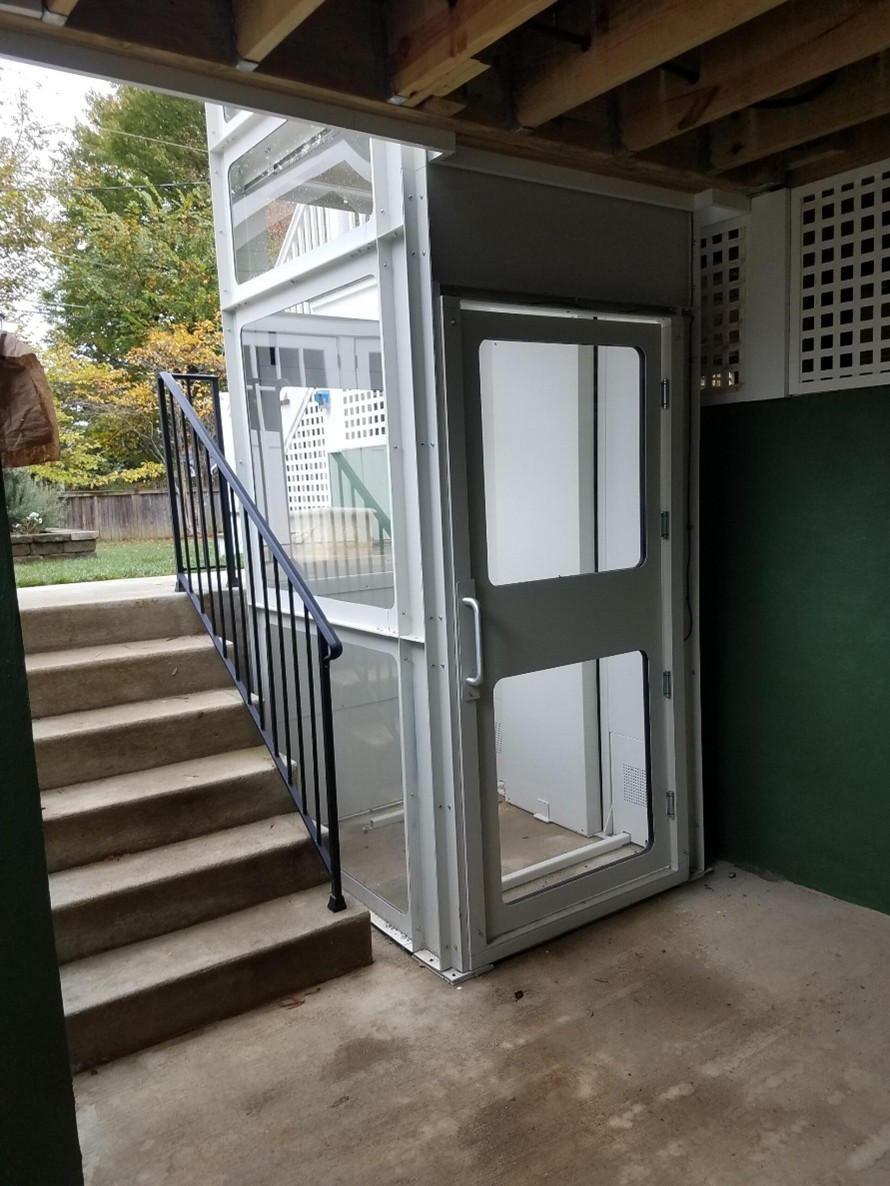
Are residential elevators worth it? This is the question most homeowners sit with before making a decision. It usually doesn’t come up randomly. There’s almost always a reason behind it, stairs getting harder, planning for the future, or figuring out how long a home will really work. Or even an outdoor elevator to help with navigating on the exterior of the home.
So are they worth it? The short answer: Sometimes yes. Sometimes no. It depends on how you plan to use your home over time.
Let’s walk through how to think about it in a way that actually helps you decide.
Start with why you’re considering it
People don’t install elevators just because they can.
There’s usually a trigger:
- Mobility concerns
- A family member moving in
- Multi-story living becoming inconvenient
- Planning ahead to avoid moving later
If your home already feels harder to navigate, that matters more than anything else.
This is where accessibility solutions for homes come into the conversation. An elevator is one option, but it’s not the only one.
Cost is part of the decision, but not the whole thing
Most homeowners focus on cost first. That makes sense. It’s a significant investment.
But cost only tells part of the story.
Typical residential elevators can range widely depending on the system and installation needs. What matters more is what that cost replaces.
For some, it replaces:
- Moving to a new home
- Major renovations later
- Daily frustration with stairs
When you look at it that way, the decision shifts from price to long-term value.
How long do you plan to stay?
This question tends to clarify things quickly.
If you’re planning to move in a few years, installing an elevator may not make sense.
If this is your long-term home, the equation changes.
Many homeowners thinking about aging in place see an elevator as a way to stay where they are instead of relocating later.
That shift, staying vs. moving, is often what makes the investment feel justified.
Resale value: what actually happens
There’s a lot of mixed information around this.
A residential elevator doesn’t always increase home value dollar-for-dollar. But it can make your home more appealing to certain buyers.
Buyers who care about:
- Multi-generational living
- Accessibility
- Long-term usability
In higher-end markets, elevators are often expected. In mid-range homes, they can set your property apart.
So while it may not guarantee a return, it can improve how quickly your home sells and who’s interested.
The type of elevator matters more than people think
Not all systems carry the same weight in terms of cost or value.
Some homeowners choose a full system. Others go with simpler options.
A home elevator built into a shaft feels more permanent and can appeal to buyers looking for a long-term solution.
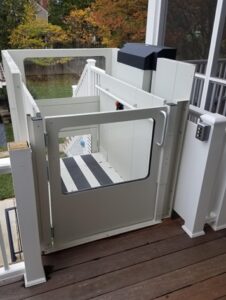
A shaftless home elevator is often easier to install and works well for immediate needs without major construction.
Choosing the right type plays a role in whether the investment feels worth it.
Lifestyle changes are often the deciding factor
Numbers matter. But daily life matters more.
Think about how often you use stairs right now.
Once they become a problem, they don’t usually become easier again.
An elevator changes how you move through your home. Groceries, laundry, everyday movement, it all becomes simpler.
For many homeowners, that daily relief ends up being the biggest reason they don’t regret the decision.
Maintenance and long-term responsibility
Owning an elevator comes with some upkeep.
Routine maintenance, inspections, and occasional repairs are part of the deal.
It’s not overwhelming, but it’s something to factor in.
Working with a provider who offers ongoing support makes this much easier to manage over time.
When it might not be worth it
There are cases where installing an elevator doesn’t make sense.
- You’re planning to move soon
- Your home layout makes installation extremely complex
- A simpler solution (like a lift) would solve the issue
- The cost outweighs how often it would be used
This is why comparing options matters.
Some homeowners find that alternatives, like lifts or other accessibility upgrades, fit their needs better without the same level of investment.
Are residential elevators worth it for long-term living?
If your goal is to stay in your home for years, the answer leans toward yes.
The ability to move freely between floors becomes more valuable over time, not less.
Waiting until mobility becomes a serious issue can make the process more stressful and more expensive.
Are residential elevators worth it financially?
This is where expectations matter.
You may not get a full return on investment in resale value alone.
But when you factor in avoided moving costs, lifestyle improvements, and long-term usability, the numbers start to balance out differently.
Are residential elevators worth it for everyday use?
This is often the deciding factor.
If you’re using it daily, or expect to, it becomes part of how your home functions.
That’s when the investment starts to feel less like a luxury and more like a practical upgrade.
Final thoughts on residential elevators, are they worth it?
The question isn’t just about money. It’s about how you want to live in your home. Investing in a residential elevator is a decision that comes down to timing, lifestyle, and long-term plans.
For some homeowners, it’s a clear yes.
For others, it’s something to plan for later.
The key is understanding what problem you’re trying to solve, and whether an elevator is the right way to solve it.
FAQs
Do most homes qualify for a residential elevator?
Many do, but not all. The layout, available space, and structure of your home will determine what type of system can be installed.
Is it cheaper to install an elevator during new construction?
Yes. Building it into the design is usually more cost-effective than retrofitting later. It reduces the need for major structural changes.
Are there alternatives if an elevator isn’t the right fit?
Yes. Platform lifts and other accessibility upgrades can work well depending on your needs and home layout.

Ready to get started? Reach out to our Staying Home team online or give us a call at 877-378-4275 for more details. We are a small company based in Missouri, and we’ve helped a lot of folks stay comfortable in the homes they love.
Look, we get it. Stairs can get tough. Whether you’re planning ahead or already feeling the strain, adding an elevator to your home might be easier than you think. Ours don’t need a huge remodel or fancy setup. They even run when the power goes out.
No pushy sales stuff. Just honest conversations about what might work for you.
