
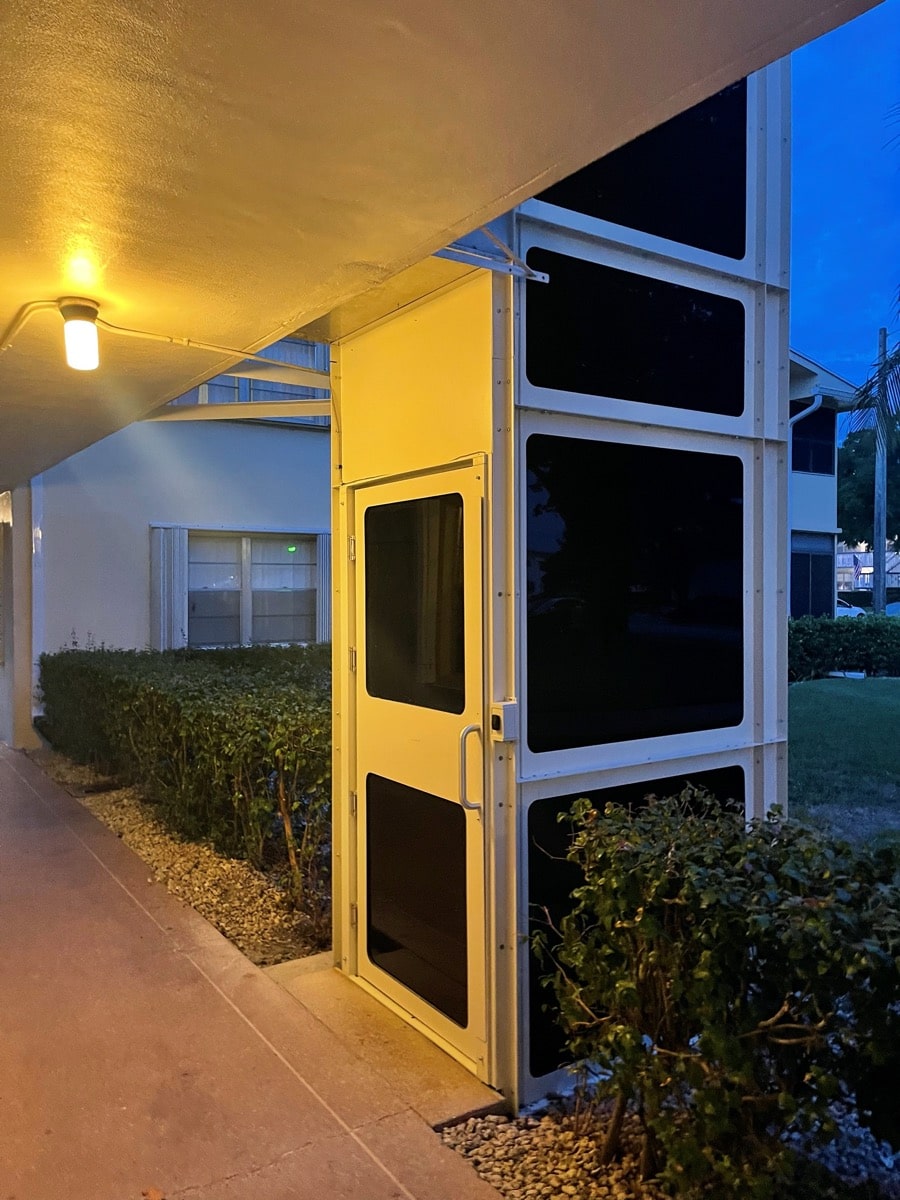
The cost of a vertical platform lift cost is one of the first things homeowners search for when stairs start becoming a barrier. It’s usually not a casual search. Something has changed, mobility, safety, or just the realization that entryways aren’t as simple as they used to be.
A vertical platform lift (VPL) is often the middle ground. Not as involved as a full elevator. More practical than a long ramp. But pricing can feel unclear until you break it down.
Here’s what actually goes into the cost in 2026.
What is a vertical platform lift?
A VPL is designed to carry a person, often in a wheelchair, vertically between levels.
Most are used for:
- Front porch access
- Garage entry
- Short height changes inside the home
They’re part of a broader category of residential platform lifts, built specifically for accessibility without major construction.
Average vertical platform lift cost in 2026
Most homeowners fall into a few general price ranges.
- Basic units: $6,000–$10,000
- Mid-range installs: $10,000–$18,000
- Complex or custom installs: $18,000–$30,000+
These numbers include equipment, but installation can shift the total.
That’s where most of the variation comes in.
What affects vertical platform lift cost?
Not every home is the same, and neither is every install.
The biggest cost drivers include:
- Lift height (how far it needs to travel)
- Indoor vs. outdoor installation
- Electrical setup
- Concrete pad or landing requirements
- Weather protection or enclosures
A simple porch lift is far less expensive than a multi-stop indoor system.
Installation costs explained
The lift itself is only part of the total.
Installation may include:
- Site prep
- Concrete work
- Electrical connections
- Permits and inspections
Outdoor installs sometimes need additional protection from weather. That can add to the overall cost, especially in harsher climates.
Homes already set up for accessibility tend to cost less to modify.
Indoor vs outdoor lift pricing
Outdoor lifts are common, but they come with extra considerations.
Exposure to weather means:
- More durable materials
- Protective covers or enclosures
- Drainage planning
Indoor lifts are usually more controlled environments, which can reduce long-term wear.
Still, both options fall within similar ranges depending on complexity.
Comparing VPLs to other options
Homeowners often compare VPLs to ramps or elevators.
A ramp can work, but it requires a lot of space. For every inch of rise, you need about a foot of ramp length.
That adds up quickly.
Elevators solve the problem but cost significantly more.
That’s why many those who are searching for home lifts for disabled individuals tend to pick VPLs. They strike a balance between cost and function.
Real-world example of vertical platform lift cost
A typical scenario might look like this:
A homeowner needs to access a front porch that’s 4 feet off the ground.
- Equipment: $8,000–$12,000
- Installation: $3,000–$6,000
- Total: $11,000–$18,000
Add an enclosure or custom platform, and costs increase.
But compared to building a long ramp or installing an elevator, it’s still a more manageable investment.
Maintenance and long-term costs
VPLs are relatively low maintenance.
Most require:
- Annual servicing
- Basic inspections
- Occasional part replacements
Outdoor units may need more attention over time due to exposure.
Still, ongoing costs are modest compared to the initial install.
Who should consider a VPL?
VPLs are often chosen by homeowners who need:
- Wheelchair access at entry points
- A safer alternative to stairs
- A compact solution without major renovation
They’re also common in multi-generational homes where accessibility needs may change over time.
If stairs are the only barrier, a wheelchair lift like a VPL can solve that without reworking the entire home.
Vertical platform lift cost vs long-term value
If the lift is used every day, the value becomes clear quickly.
It removes a physical barrier that would otherwise limit access to your home.
That kind of usability matters more than the initial price over time.
Vertical platform lift cost vs moving
Some homeowners consider moving instead of modifying their home.
But moving comes with its own costs, financial and emotional.
Installing a VPL often allows people to stay where they are, without uprooting their routine.
Vertical platform lift cost and aging in place
For homeowners planning ahead, VPLs are part of a bigger picture.
They support independence without requiring a full home remodel.
That’s why they’re often included in home lifts for elderly planning conversations.
Final thoughts on vertical platform lift cost
A vertical platform lift costs depend on more than just the unit itself. Installation, layout, and long-term use all play a role.
For many homeowners, it’s not about finding the cheapest option. It’s about finding something that works reliably every day.
Once you look at it that way, the decision becomes a lot clearer.
FAQs
How long does it take to install a VPL?
Most installations take a few days once the site is prepared. More complex setups can take longer, especially if concrete or electrical work is needed.
Does a VPL require a lot of maintenance?
Not really. Basic servicing once a year is usually enough, along with occasional inspections to keep everything running properly.
Can a VPL be installed on any porch?
Sometimes it can. The structure needs to support the lift, and there must be enough space for safe operation. A site evaluation will confirm what’s possible.

Ready to get started? Reach out to our Staying Home team online or give us a call at 877-378-4275 for more details. We are a small company based in Missouri, and we’ve helped a lot of folks stay comfortable in the homes they love.
Look, we get it. Stairs can get tough. Whether you’re planning ahead or already feeling the strain, adding an elevator to your home might be easier than you think. Ours don’t need a huge remodel or fancy setup. They even run when the power goes out.
No pushy sales stuff. Just honest conversations about what might work for you.
