Staying in your home long-term sounds simple—until daily routines start to change. Stairs that once felt easy can slowly become frustrating. A residential elevator offers a practical way to maintain independence without changing how the home is used. When planned early, it helps homeowners stay comfortable, confident, and in control of their space.
Why Independence at Home Becomes a Priority Over Time
Most homeowners don’t think about accessibility when they first move in. The focus is usually on layout, location, and lifestyle. But over time, small challenges begin to stand out.
Maybe it’s carrying laundry upstairs. Maybe it’s avoiding certain rooms altogether. Or maybe it’s just thinking ahead and wanting the home to work for years to come.
At Staying Home, we’ve had this conversation with families at every stage. Some are planning early. Others are reacting to a recent change. Either way, the goal is the same—keep the home usable without disruption.
Understanding How a Residential Elevator Supports Daily Living
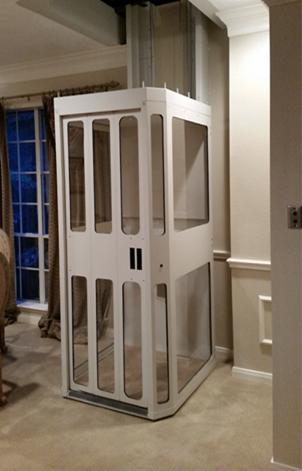
A residential elevator creates a separate, reliable path between floors. It doesn’t rely on the staircase or change how others move through the home. It simply adds another way to get where you need to go.
Many homeowners also search for a home elevator when exploring options. In residential settings, both terms refer to systems designed specifically for private homes—not commercial buildings.
The real benefit isn’t just movement. It’s consistency. When access is predictable, daily routines feel easier. You don’t have to plan around stairs. You don’t have to avoid certain levels. The entire home stays functional.
Our Approach to Planning for Long-Term Use
We don’t start with equipment. We start with how the home is used.
Which floors matter most?
Is the basement part of daily life?
Is this a long-term home?
Those answers shape the plan.
Every residential elevator we recommend is evaluated for placement, safety, and long-term reliability. We focus on solutions that feel integrated—not added on. When done right, the system becomes part of the home’s flow instead of interrupting it.
We also look ahead. Planning early often means fewer limitations later.
Benefits of Choosing a Residential Elevator for Independence
A well-placed elevator changes more than movement. It changes how the home works day by day.
Here’s what homeowners often notice:
- Less strain moving between floors
- Full access to every part of the home
- Easier daily tasks like laundry and groceries
- More confidence in living independently
- Fewer future modifications needed
A thoughtfully planned home elevator keeps routines simple. It removes the need to adjust your lifestyle around the structure of the home.
Real-World Situations We See Often
Some homeowners reach out because stairs are already becoming difficult. Others are planning and want to avoid that situation entirely.
In two-story homes, access between main living areas and bedrooms becomes the focus. In split-level homes, even short stair sections can interrupt daily movement.
We also see situations where exterior access matters just as much. Entry points with elevation changes can make getting in and out of the home just as challenging as moving inside.
In those cases, we sometimes explore outdoor elevator solutions alongside interior planning. Looking at both together creates a more complete approach.
When Exterior Access Plays a Role
Not every accessibility challenge happens indoors. Sometimes the front door is the biggest barrier.
An outdoor elevator can help homeowners manage elevation changes at entry points without affecting interior layouts. It allows for full access from outside to inside without building long ramps or reworking the property.
As an experienced outdoor elevator company, we evaluate grading, exposure, and entry flow before recommending exterior placement. The goal is to keep access simple while preserving how the home looks and functions.
Some homeowners also ask about systems like the Outlook outdoor elevator when researching exterior options. In those cases, we focus on whether the structure supports the system—not just the product itself.
Why Homeowners Choose Staying Home
Most families don’t contact us because they want something new. They reach out because something has slowly become harder.
We’ve helped homeowners across Missouri evaluate access challenges in real homes—open layouts, split-level designs, and properties with varying elevations. With more than 100 years of combined stairway lift design experience, our focus stays on what fits.
We’re not here to overbuild or oversell. We’re here to make sure the solution works long-term. That clarity tends to make the decision easier.
Common Questions About Residential Elevators
Is a home elevator only for mobility limitations?
No. Many homeowners install a home elevator as part of long-term planning. It’s about maintaining independence, not just solving immediate challenges.
Can exterior access be included in the plan?
Yes. In some homes, combining interior systems with outdoor elevator solutions creates a more complete access strategy. Evaluating both early provides the most flexibility.
Does a residential elevator change how the home looks?
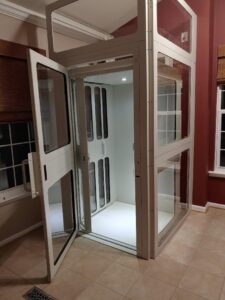
Not when it’s planned correctly. A residential elevator can be integrated into the layout so it feels like a natural part of the home rather than an addition.
Ready to get started? Contact us online, or give us a call at 877-378-4275, and we’ll send you the details.
We are a small company based in Missouri with more than 100 years of combined stairway lift design experience.

Look, we get it. Stairs can get tough. Whether you’re planning ahead or already feeling the strain, adding an elevator to your home might be easier than you think. Ours don’t need a huge remodel or fancy setup. They even run when the power goes out.
No pushy sales stuff. Just honest conversations about what might work for you.
