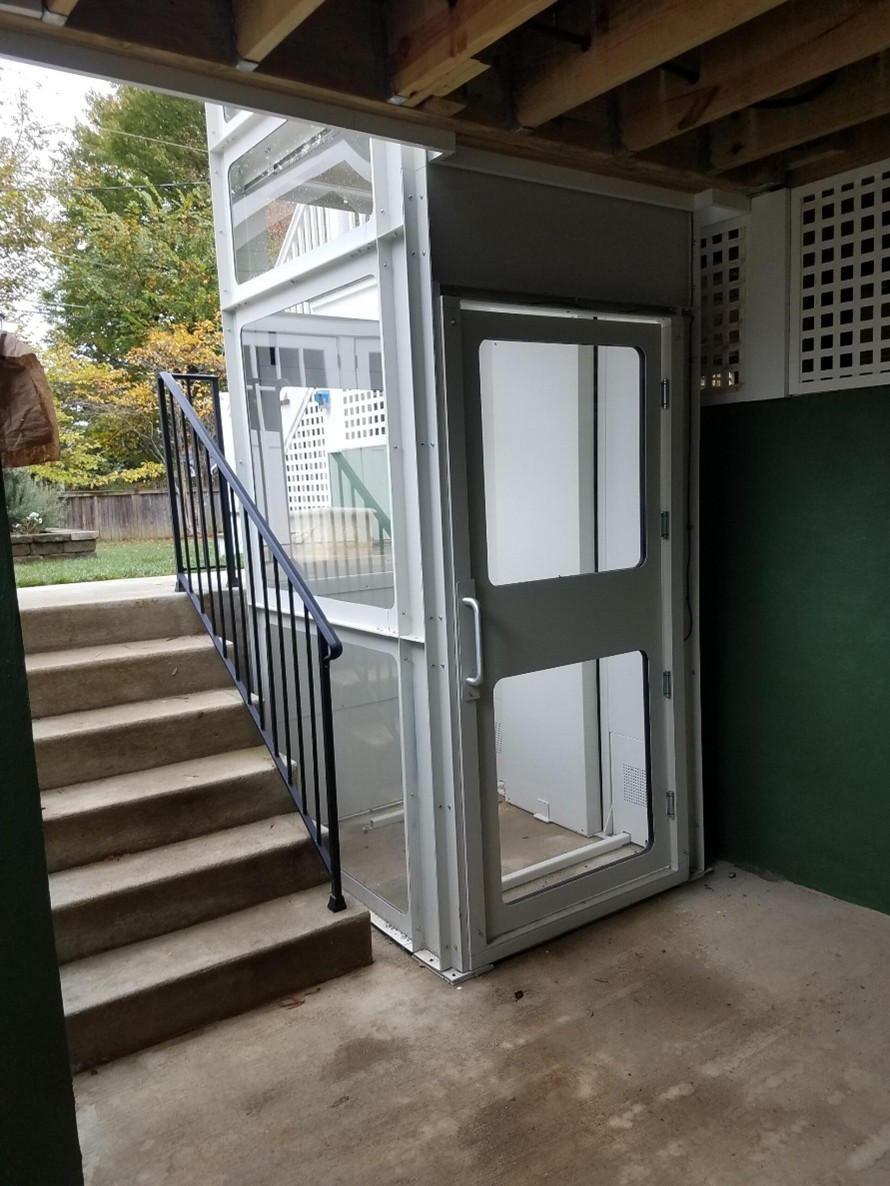
Most homeowners don’t start out thinking they need a lift. It usually begins with something small. A few steps feel harder than they used to. A garage entry becomes frustrating. That’s when a vertical platform lift starts to make sense. But before moving forward, there are a few important things worth understanding.
Why Planning Matters More Than the Equipment
It’s easy to jump straight into product options. Most people do.
But the reality is, the home matters more than the lift itself. Layout, entry points, and how the space is used day to day all affect whether a solution works long-term.
We’ve worked with homeowners who thought they needed a full system, only to realize their biggest issue was a short rise at the front entrance. Others assumed a ramp was the only option until space became a limitation.
When we evaluate a vertical platform lift, we always start with the same question: where is the actual barrier?
Understanding What a Vertical Platform Lift Does
A vertical platform lift is designed to move someone straight up and down between two levels. It doesn’t rely on a staircase. It doesn’t stretch across the yard like a ramp.
It creates a direct, controlled path.
That’s what makes it so effective for:
- Raised porches
- Garage-to-home transitions
- Split-level interiors
- Short elevation changes
Some homeowners use the term wheelchair lift when researching these systems. In residential settings, that often refers to the same type of vertical movement. The key difference is not the name — it’s whether the system is built for safe, everyday use in a home.
Where a Wheelchair Lift Fits Into the Conversation
A wheelchair lift is often considered when access needs are immediate. It provides a stable way to navigate short vertical rises without relying on stairs. In many homes, this overlaps directly with a platform system.
The important part is understanding how it will be used. Is this the primary entry? Will multiple people rely on it? Is the goal of temporary access or long-term living? Answering those questions helps determine whether a vertical solution truly fits.
Interior vs Exterior Placement
One of the biggest misconceptions is that lifts must be installed inside. That’s not always the case.
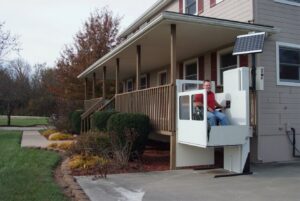
In many homes, an outdoor lift becomes the better option. It solves entry challenges without affecting interior space. It also keeps the main layout intact.
We’ve seen situations where homeowners initially planned interior changes, only to realize exterior placement provided a cleaner solution.
In some layouts, people even ask whether a full outdoor elevator is needed. For short elevation changes, that’s often more than necessary. A compact vertical system usually does the job without overbuilding.
Special Considerations for Waterfront and Sloped Properties
Challenges aren’t always simple. In waterfront homes, changes in grade can vary significantly between the house and the dock. In those cases, a lake home lift may handle dock access, while a platform system supports entry at the main residence.
It’s not uncommon to have more than one solution on the same property. The key is making sure each system matches the specific elevation challenge it’s meant to solve.
Why a Dumbwaiter Isn’t a Substitute
This question comes up more often than you’d expect. A dumbwaiter is designed to move objects — not people. Groceries, laundry, storage items.
It does not meet the safety requirements needed for personal transport. Guarding, stability, and operational controls are completely different.
When safety is part of the conversation, the system must be designed for people. There isn’t a workaround for that.
Installation Isn’t One-Size-Fits-All
Every home is different. That affects installation more than anything else.
Some projects are straightforward:
- Stable ground
- Clear access
- Minimal grading
Others require more planning:
- Reinforced base
- Electrical adjustments
- Exterior exposure considerations
A vertical platform lift doesn’t require the same level of structural change as a full elevator, but it still needs proper placement to perform reliably over time.
That’s why early evaluation matters.
Real Situations We See Every Day
We’ve worked with:
- Split-entry homes where three steps made daily routines harder
- Raised porches where ramps weren’t practical
- Tight properties where space limited traditional solutions
- Waterfront homes needing both entry and dock access
In many of these cases, a vertical platform lift solved the issue without changing how the home looked or felt.
That’s usually the goal.
Common Questions About Vertical Platform Lifts
How do I know if a vertical platform lift is the right choice?
A vertical platform lift is often the right option when the main challenge is a short vertical rise, such as a few steps at an entryway or between levels. The layout of the home ultimately determines whether it fits.
Is a wheelchair lift the same as a platform lift?
In many residential cases, a wheelchair lift refers to a vertical system that moves up and down. What matters most is whether the system is designed for safe, everyday use in a home environment.
Can exterior placement work long-term?
Yes. An outdoor lift can operate reliably when properly installed and positioned. Planning for drainage, exposure, and usage patterns is key to long-term performance.
Ready to get started? Contact us online, or give us a call at 877-378-4275, and we’ll send you the details.
We are a small company based in Missouri with more than 100 years of combined stairway lift design experience.

Look, we get it. Stairs can get tough. Whether you’re planning ahead or already feeling the strain, adding an elevator to your home might be easier than you think. Ours don’t need a huge remodel or fancy setup. They even run when the power goes out.
No pushy sales stuff. Just honest conversations about what might work for you.
