
The Short Answer Depends on the Drive and Its Charge
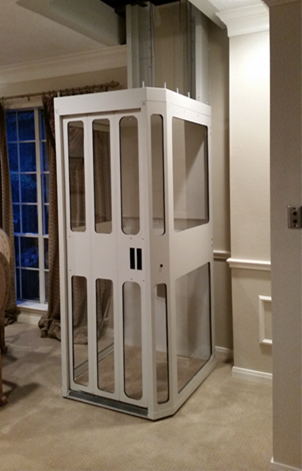
When the lights go out, the elevator’s drive and battery condition decide what happens next. Some units stop when utility power fails and use a separate backup feature for a limited function. Staying Home describes its residential models as operating on batteries that recharge from household power, so the drive can still make trips when the house loses electricity, provided the batteries are charged and the system is in working order. That design deserves a practical question: how many trips are available under the actual load and battery condition? A brochure claim is not an emergency plan for every home.
Picture a family caring for someone who sleeps upstairs and uses a walker. During a storm, they may need to reach the kitchen or leave the house. They should know which landings the elevator serves, whether the user can operate its controls without assistance, how to contact someone if a fault occurs, and which alternative route remains usable. The elevator is one part of access, not an evacuation strategy on its own.
Before buying, ask the installer to demonstrate normal use and a simulated power interruption under safe conditions. Record what the model does, what a warning light means, and whom to call. Never attempt to defeat an interlock or manually move a stalled car without the manufacturer’s instructions and qualified help.
Battery Powered Is Different From Battery Backup
A full-time battery-powered drive uses batteries for normal movement while a charger replenishes them. A conventional drive with a backup feature may switch to a secondary supply only after a power failure, sometimes to lower the car or reach a landing. The distinction affects what the homeowner should expect during a long outage. Staying Home identifies its indoor elevator models as battery operated, but model configuration and maintenance should be confirmed in the current specifications and installation proposal.
Ask three separate questions. Does the car travel in both directions without house power? How many trips are expected at a stated load with a healthy, fully charged battery? What happens if the outage starts when the batteries are already low? Do not translate a manufacturer’s general trip count into a guarantee, because battery age, load, temperature, charge state, and service history matter.
The indoor elevator models page is a useful starting point for the specific configuration, while the broader residential elevator options page helps distinguish indoor and outdoor applications. Have the dealer identify the model on the quote and provide the matching manual. A claim about one product family should not be carried over to another.
Plan for a Fault as Well as a Blackout
A home elevator may be unavailable even when lights remain on. A door that does not close, a tripped safety device, a mechanical fault, or missed maintenance can interrupt travel. Ask where the emergency stop, alarm, and communication device are located. Confirm whether the user can reach and operate them from the expected position, including a seated one. Review how emergency unlocking or manual lowering works, but leave those procedures to authorized people following the model’s instructions.
The CPSC home elevator safety alert warns about dangerous gaps between residential elevator doors where children can become trapped. An outage discussion should therefore include safe access and supervised operation, not a suggestion to hold a door open or override its lock. Ask a qualified elevator professional to check the particular installation, especially in a home with children or frequent guests.
For example, if a visiting grandchild can reach the landing door, the family needs to know how that door is secured when the elevator is unattended. The answer may depend on the model, door arrangement, and inspection findings. A working battery cannot compensate for unsafe door geometry.
 Test the Household Routine
Make a short list of trips that truly matter during an outage: bedroom to bathroom, bedroom to exit, or storage to living level. Walk the route from each landing to a safe destination. A clear path can become blocked by a power chair charger, a narrow door, or a heavy exterior door. If one resident needs help boarding, identify who is available at night and how that person will be contacted.
Keep flashlights, charged phones, and an accessible exit plan independent of the elevator. A person who cannot use stairs may need a tailored emergency plan developed with family, caregivers, and local emergency resources. Do not assume that an elevator is usable during fire, flood, or another event in which its operation would be unsafe. Follow the manufacturer’s and local emergency guidance.
The owner can check routine indicators and cleaning instructions in the manual. A technician should perform tests and adjustments involving batteries, safety devices, and wiring. Write down how often service is recommended and how the household will know when a battery is due for replacement.
What to Put in the Proposal and Handover
A complete proposal should identify the model, battery configuration, rated load, charger location, power supply, emergency communication arrangement, and maintenance responsibilities. Ask which parts of an outage demonstration the installer can perform at handover. The demonstration should include the actual rider where appropriate, with their mobility aid and assistance needs considered safely.
If the household is considering a future wheelchair, compare its real dimensions and the rider’s transfer needs with the car and landing clearances before assuming that a walker-friendly installation is wheelchair-ready. Document who maintains the phone or communication line and what happens if that service fails. The person who uses the elevator daily should receive instructions they can understand and use.
Keep the manual, installer contact, service record, and a one-page household outage plan together. Revisit it when batteries are replaced, equipment changes, or someone moves into the home. Reliability is a combination of a suitable product, a sound installation, maintenance, and a realistic fallback.
A Battery Checklist the Owner Can Keep
A useful handover sheet should say which indicator shows that the charger is connected, what low-battery warning the unit gives, and how the owner reports a fault. Ask the dealer whether the charger needs a particular outlet and what a tripped breaker would look like to the household. Confirm whether the communication system relies on a separate phone service or cellular component. An elevator that can move on batteries may still need a working communication route in an emergency.
Have the installer explain the inspection interval and the expected replacement cycle for the actual batteries. A calendar reminder is better than guessing from how the car sounds. If a resident leaves the home for a season, ask how the charger and batteries should be managed during the absence. Do not disconnect the equipment to save electricity without model-specific instructions.
Record the results of the safe outage demonstration: the charge state, number of trips attempted, direction of travel, and whether an alarm or message appeared. This is not a performance guarantee for a future storm; it establishes what the household has actually seen. When the system is serviced, update the record and the contact information. A plan that the rider and caregiver can locate quickly is more useful than a manual stored in a box in the garage.
Questions for the Installation Review
Ask the dealer to show the location of every landing control and door lock, then demonstrate how the car responds when household power is interrupted. Ask what the user should do if the car stops between floors and how communication works if internet and phone service also fail. Confirm how a caregiver can reach the landing without blocking the exit.
Have the installer note any conditions that would make the elevator unavailable during a storm, such as water intrusion into the equipment area. Review the service schedule and the symptom that should trigger a call rather than another trip. A household can then practice the safe parts of the plan without experimenting with mechanical release devices.
Frequently Asked Questions
Will a battery-powered elevator run forever during an outage?
No. Available trips depend on battery charge, condition, load, and model. Confirm the expected performance for the installed unit.
Can I open the doors if the elevator stops between floors?
Do not force or bypass a door. Use the model’s communication procedure and qualified assistance.
Is a home elevator an emergency evacuation route?
Do not rely on it as the only route. Build a separate plan for fire, flood, and other conditions in which elevator use may be unsafe.

Ready to get started? Reach out to us online at Staying Home or, if you’re curious, give us a call at 877-378-4275, and we’ll send you the details. We are a small company based in Missouri, and we’ve helped a lot of folks stay comfortable in the homes they love.
Look, we get it. Stairs can get tough. Whether you’re planning ahead or already feeling the strain, adding an elevator to your home might be easier than you think. Ours don’t need a huge remodel or fancy setup. They even run when the power goes out.
No pushy sales stuff. Just honest conversations about accessibility solutions for homes and what might work for you.
